
Table of Contents
Diabetes is one of the fastest-growing health concerns in the modern world. Millions of people are currently living with diabetes, and the number continues to rise among younger adults due to sedentary lifestyles, unhealthy eating habits, obesity, and increasing stress levels. One of the most searched health questions today is “can diabetes be naturally reversed?” Many people receive a diagnosis and immediately wonder whether they will need medications forever or if there is a way to regain normal blood sugar levels naturally.
The answer is more complex than a simple yes or no. Scientific evidence shows that can type 2 diabetes be reversed permanently is possible for some individuals through significant lifestyle modifications, weight reduction, dietary changes, and early intervention. However, medical experts now prefer the term remission rather than reversal because diabetes can return if healthy habits are abandoned. Research from organizations such as Diabetes UK and the CDC shows that substantial weight loss can help many individuals achieve remission of type 2 diabetes.
As a PharmD student, I have observed many patients during clinical postings who initially believed diabetes automatically meant lifelong complications. Surprisingly, some patients who followed strict dietary plans, regular exercise routines, and physician-guided treatment experienced remarkable improvements in blood sugar control. These experiences highlighted an important truth: diabetes management is not only about medications; lifestyle plays a massive role.
This guide explains diabetes in simple language, including its types, symptoms, complications, prevention strategies, treatment options, scientific evidence behind how is diabetes reversed by diet, and real-life examples that demonstrate what is possible with proper management.
What Is Diabetes? : How is Diabetes Reversed
In simple terms, diabetes is an increase in blood sugar levels.
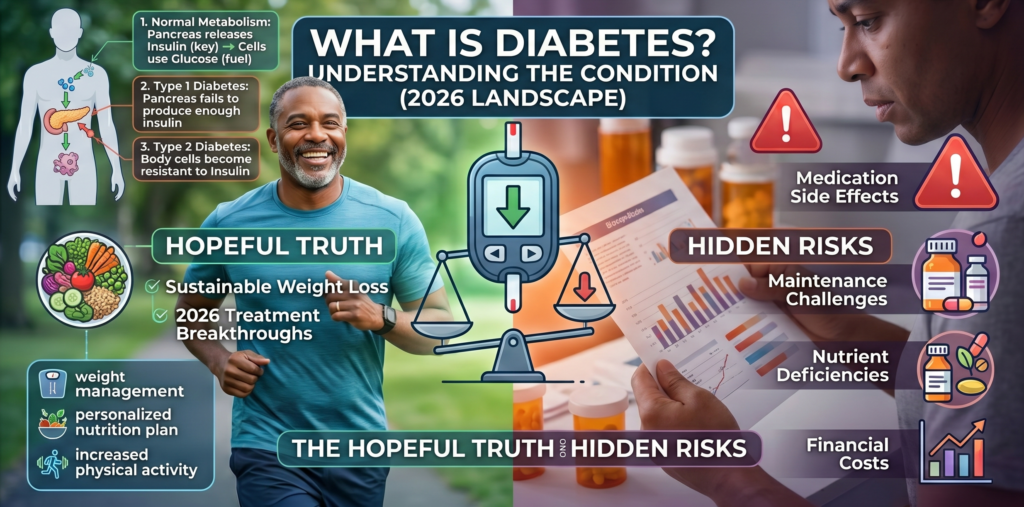
The carbohydrates present in the food and drinks we consume are broken down into glucose, which serves as the body’s primary energy source. Once glucose enters the bloodstream, it must move into the cells to provide energy. To enter the cells, glucose requires insulin.
Insulin is a hormone produced by the pancreas. Think of insulin as a key and the cell as a locked door. Without the key, glucose cannot enter the cell efficiently. When insulin production is insufficient or the body’s cells stop responding properly to insulin, glucose accumulates in the bloodstream, causing diabetes.
This process can be represented simply as:
Food → Glucose → Bloodstream → Insulin → Cells → Energy
When insulin fails to perform effectively, blood sugar levels rise.
One of the biggest misconceptions is that diabetes develops overnight. In reality, type 2 diabetes often develops slowly over many years. Insulin resistance gradually increases until the pancreas can no longer compensate. Many people have elevated blood sugar levels for years before diagnosis because symptoms may be mild or absent. According to the CDC, type 2 diabetes accounts for approximately 90–95% of all diabetes cases and is increasingly seen among younger adults.
Types of Diabetes : How Is Diabetes Reversed?
Type 2 Diabetes
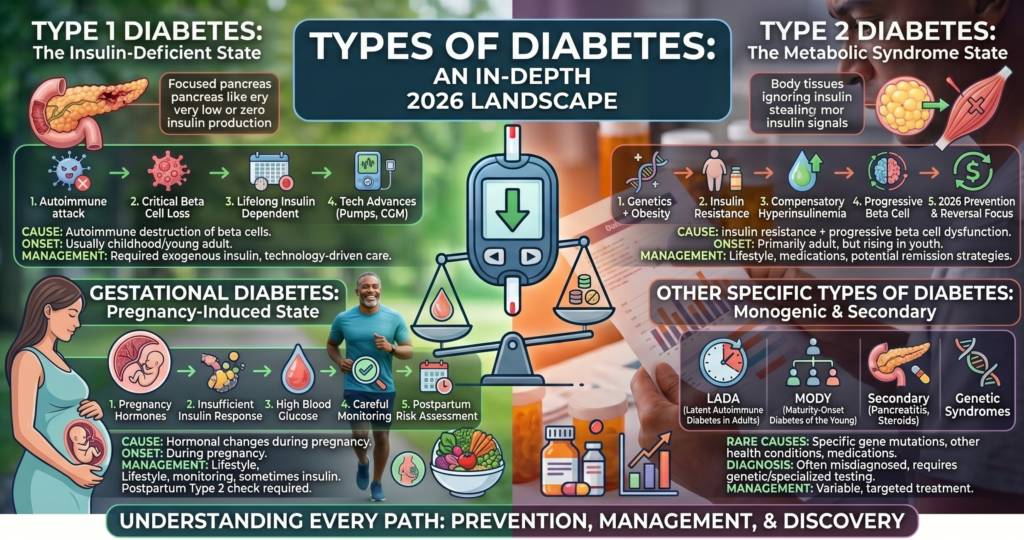
Type 2 diabetes is the most common form of diabetes, accounting for over 90% of cases worldwide. In this condition, insulin is usually present, but the body’s cells do not respond properly. This condition is known as insulin resistance.
Common risk factors include:
- Obesity or overweight
- Physical inactivity
- Unhealthy dietary habits
- Family history of diabetes
- Chronic stress
- Poor sleep quality
Many individuals searching for can type 2 diabetes reversed or diabetes reversed forever are usually referring to this type of diabetes. Studies suggest that significant weight loss can restore insulin sensitivity and improve pancreatic function, making remission achievable for many individuals.
Type 1 Diabetes
Type 1 diabetes is an autoimmune disease in which the body’s immune system attacks insulin-producing beta cells in the pancreas. As a result, insulin production becomes extremely low or absent.
People often ask:
- Can type 1 diabetes reversed itself?
- Can type 1 diabetes be reversed permanently?
- Can type 1 diabetes be reversed with diet and exercise?
Current scientific evidence indicates that type 1 diabetes cannot be naturally reversed because the insulin-producing cells are destroyed. Diet and exercise remain important for blood sugar management but cannot restore lost pancreatic function. Experimental approaches involving stem cells and immune therapies are under investigation, leading to interest in topics such as type 1 diabetes reversed with stem cells, but these remain developing areas of research rather than established cures.
Gestational Diabetes
Gestational diabetes develops during pregnancy, commonly between the fourth and eighth months. Blood sugar levels increase due to hormonal changes that affect insulin sensitivity.
Although gestational diabetes often disappears after childbirth, affected women have a higher future risk of developing type 2 diabetes. Therefore, regular monitoring and healthy lifestyle habits remain essential after pregnancy.
Monogenic Diabetes
Monogenic diabetes results from specific genetic mutations affecting insulin production or function.
Examples include:
- Neonatal Diabetes
- Maturity Onset Diabetes of the Young (MODY)
Neonatal diabetes usually appears within six months of birth, while MODY often develops before age 25.
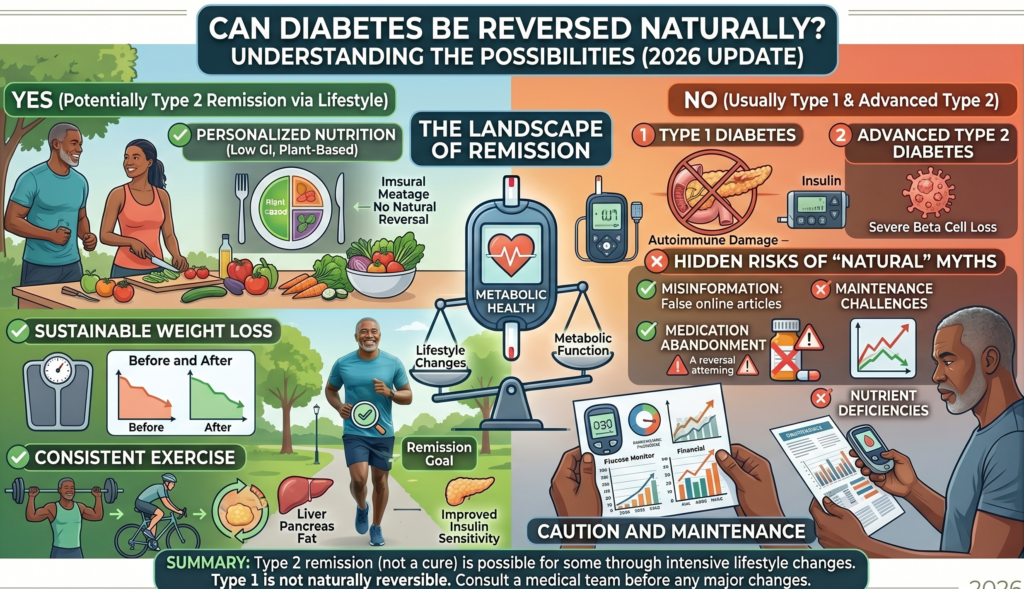
Can Diabetes Be Reversed Naturally?: How Is Diabetes Reversed
This is the question millions of people search online every month.
Difference Between Reversal and Remission
Medical professionals increasingly use the term remission instead of reversal.
According to Diabetes UK, remission means maintaining blood sugar levels below the diabetic range for at least three months without glucose-lowering medications.
Many people use phrases such as:
- can diabetes reversed
- diabetes reversed by diet
- how is diabetes reversed
- diabetes reversed with weight loss
- can diabetes be naturally reversed
While these phrases are commonly searched, remission is the medically preferred term because diabetes can return if weight is regained or healthy habits decline.
Can Type 2 Diabetes Be Reversed Permanently?
Research suggests that some individuals can achieve long-term remission through:
- Significant weight loss
- Reduced calorie intake
- Regular physical activity
- Consistent medical monitoring
- Improved insulin sensitivity
Evidence indicates that losing approximately 15 kg significantly increases remission chances in many newly diagnosed patients.
This explains why searches such as how much weight do you need to lose to reverse type 2 diabetes or How Is Diabetes Reversed are increasingly common. The exact amount varies, but greater weight reduction generally correlates with better outcomes.
Can Type 1 Diabetes Be Reversed Permanently?
Currently, no proven natural method exists for permanent reversal of type 1 diabetes.
Research involving stem cells, pancreatic cell transplantation, and immunotherapy continues to evolve. While headlines discussing type 1 diabetes reversed with stem cells are exciting, these treatments remain experimental and are not yet widely available clinical solutions.
Signs and Symptoms of Diabetes : How Is Diabetes Reversed?
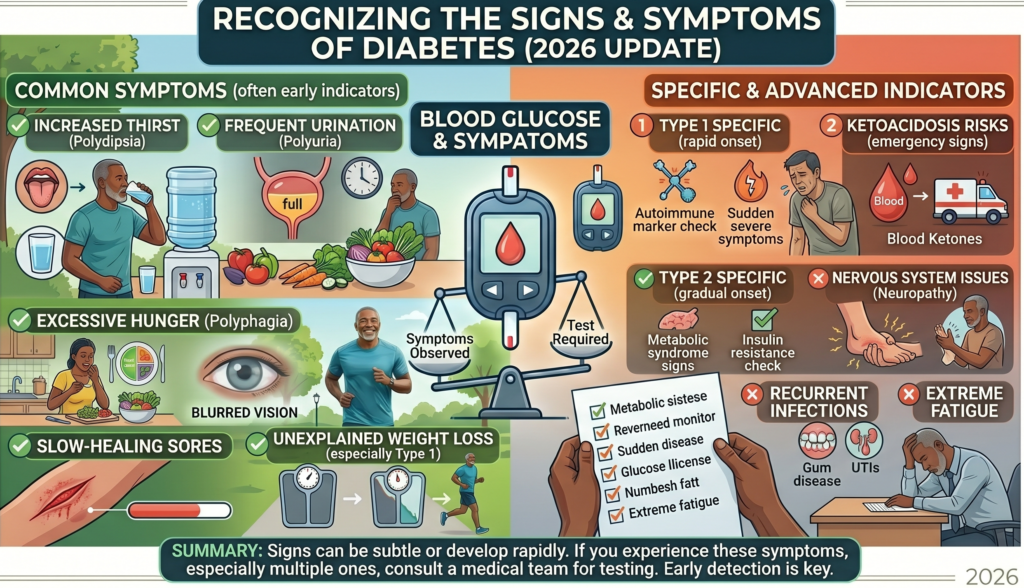
Many people remain undiagnosed because symptoms often appear gradually.
Common symptoms include:
- Unexplained weight loss
- Frequent tiredness
- Delayed wound healing
- Excessive thirst
- Dry mouth
- Frequent urination
- Recurrent infections
- Numbness or burning feet
- Dark patches on the neck and armpits
- Blurred vision
- Erectile dysfunction
People often ask, What are the big 3 symptoms of diabetes?
The classic three symptoms include:
- Excessive thirst (Polydipsia)
- Frequent urination (Polyuria)
- Increased hunger (Polyphagia)
These symptoms occur because excess glucose remains in the bloodstream rather than entering the cells effectively.
What Are 5 Warning Signs of Diabetes?
Five major warning signs include:
| Warning Sign | Explanation |
|---|---|
| Frequent urination | Kidneys work harder to remove excess glucose |
| Increased thirst | Fluid loss triggers dehydration |
| Fatigue | Cells cannot access glucose efficiently |
| Blurred vision | High glucose affects eye lenses |
| Slow wound healing | Reduced circulation impairs repair |
Major Complications of Untreated Diabetes : How Is Diabetes Reversed?
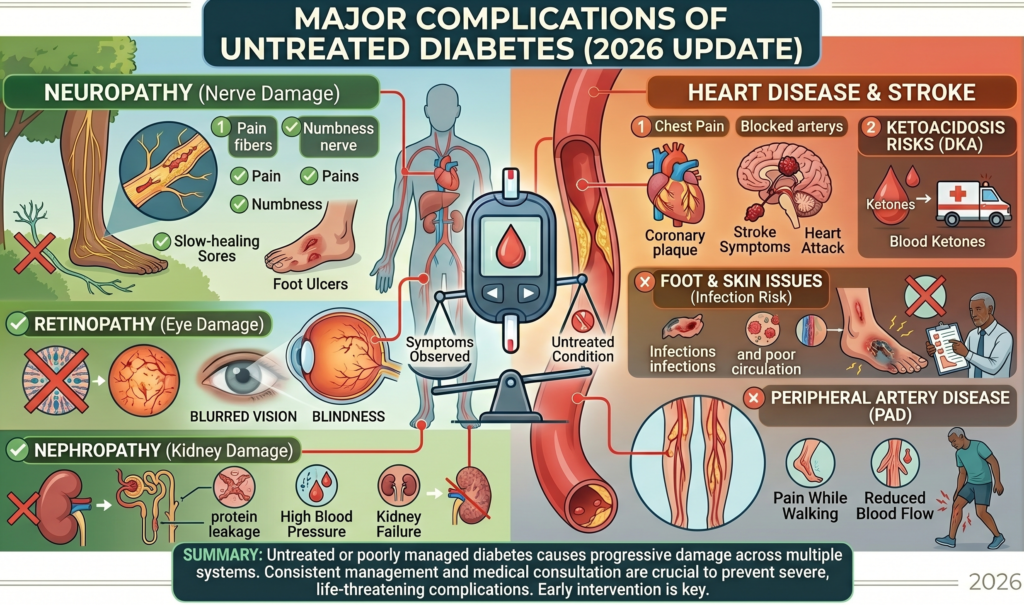
Many people underestimate diabetes because symptoms may initially appear mild. The real danger lies in long-term complications.
Which Organ Is First Affected by Diabetes?
There is no single organ affected first in every patient. However, blood vessels often experience early damage, leading to complications involving the eyes, kidneys, nerves, and heart.
Eye Complications
High blood sugar damages retinal blood vessels, increasing the risk of:
- Diabetic retinopathy
- Cataracts
- Vision loss
- Blindness
Kidney Damage
Diabetes remains one of the leading causes of kidney failure worldwide. Excess glucose damages kidney filtration systems over time.
Nerve Damage
Neuropathy can lead to:
- Numbness
- Burning sensations
- Foot ulcers
- Balance problems
Heart Disease and Stroke
People with diabetes face significantly higher risks of:
- Heart attacks
- High blood pressure
- Brain stroke
- Peripheral artery disease
Long-term uncontrolled diabetes can affect virtually every organ system, emphasizing the importance of early diagnosis and treatment.
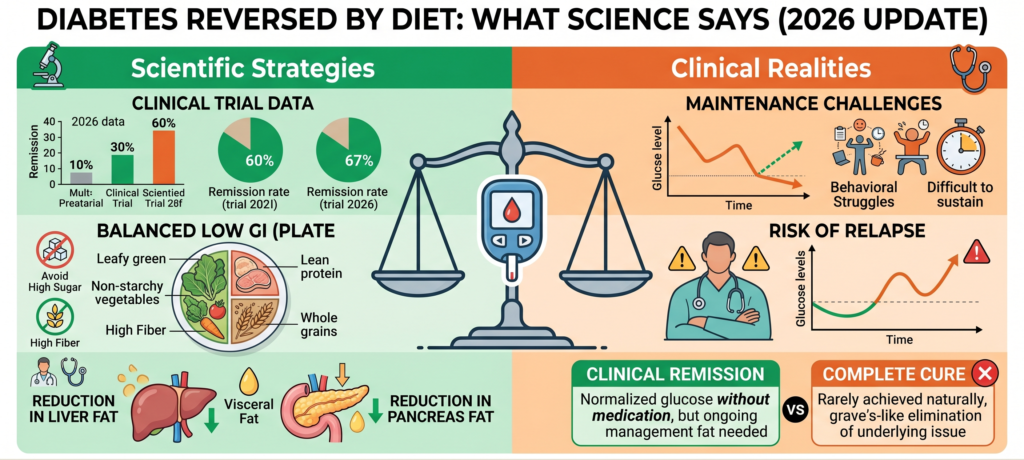
Diabetes Reversed by Diet – What Science Says
The phrase how is diabetes reversed by diet has become increasingly popular due to growing evidence supporting nutritional interventions.
Studies demonstrate that dietary changes can significantly improve insulin sensitivity and promote remission in type 2 diabetes.
Low-Carbohydrate Diets
Low-carbohydrate approaches reduce glucose spikes by limiting carbohydrate intake.
Potential benefits include:
- Improved blood sugar control
- Weight reduction
- Reduced insulin requirements
- Lower HbA1c levels
Several studies suggest that low-carbohydrate diets may help some individuals achieve remission, particularly when combined with sustained weight loss.
Mediterranean Diet
The Mediterranean diet emphasizes:
- Fruits
- Vegetables
- Olive oil
- Nuts
- Whole grains
- Fish
Research indicates this dietary pattern improves cardiovascular health and insulin sensitivity.
What Should Diabetics Avoid Eating?
Foods commonly limited include:
- Sugary beverages
- Refined carbohydrates
- White bread
- Pastries
- Processed snacks
- Excessive fast food
- Highly sweetened desserts
Rather than viewing food as the enemy, successful diabetes management focuses on creating a sustainable eating pattern.
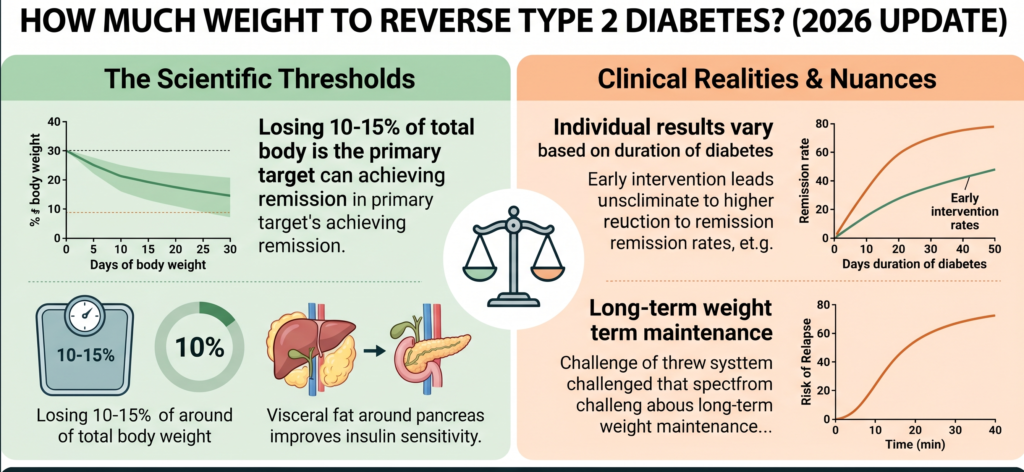
How Much Weight Do You Need to Lose to Reverse Type 2 Diabetes?
Question appears frequently in clinical practice that How Is Diabetes Reversed.
Evidence suggests that losing approximately 10–15% of body weight significantly improves remission chances. Some studies report remission rates approaching 80% among individuals achieving very substantial weight reduction.
For example:
| Starting Weight | 10% Loss | 15% Loss |
| 80 kg | 8 kg | 12 kg |
| 100 kg | 10 kg | 15 kg |
| 120 kg | 12 kg | 18 kg |
Weight loss reduces fat accumulation around the liver and pancreas, improving insulin sensitivity and restoring metabolic function.
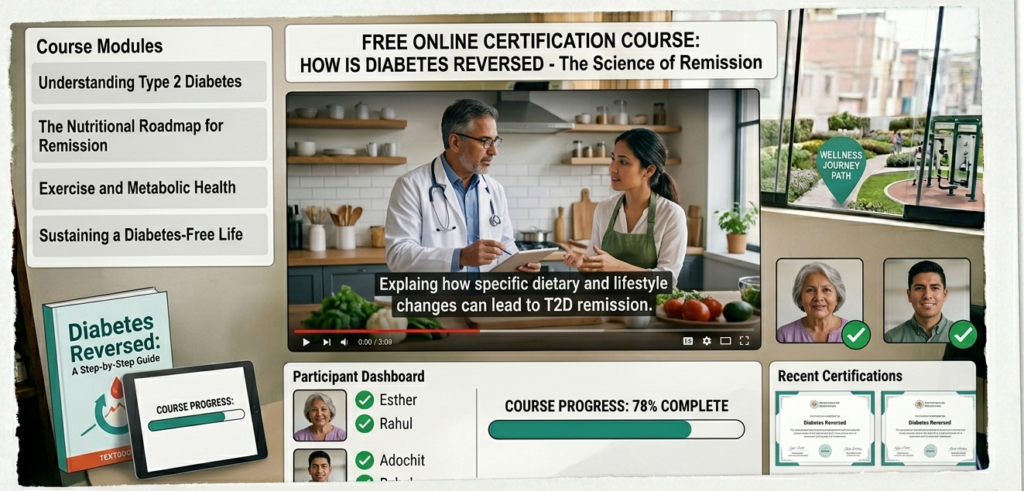
Free Online Certification Courses On How Is Diabetes Reversed
| Course Name | Platform | Focus Area | Certificate |
| Global Health Initiative: Diabetes Awareness | Alison | Diabetes causes, symptoms, prevention & management | Free learning + certificate option |
| Introduction to Diabetes Awareness | Alison | Type 1 & Type 2 diabetes, lifestyle management | Free learning + certificate option |
| Understanding Diabetes Management and a Balanced Diet | Alison | Nutrition, diabetes control, healthy eating | Free learning + certificate option |
| Type 2 Diabetes: Understanding and Management | Alison | Risk factors, diagnosis, treatment & prevention | Free learning + certificate option |
| Diabetes – The Essential Facts | Coursera | Diabetes science, nutrition, prevention & treatment | Shareable certificate available |
| Diabetes – A Global Challenge | Coursera | Global diabetes burden, prevention & research | Shareable certificate available |
| Demystifying Diabetes | FutureLearn | Latest diabetes research, causes & treatments | Certificate option available |
| Diabetes Courses Collection | FutureLearn | Diabetes education, nutrition & patient care | Varies by course |
| Free Online Diabetes Courses Library | Alison | Multiple diabetes-related certifications | Certificate options available |
| Diabetes: Diagnosis, Treatment, and Opportunities | Coursera | Diagnosis, complications & treatment planning | Certificate available |
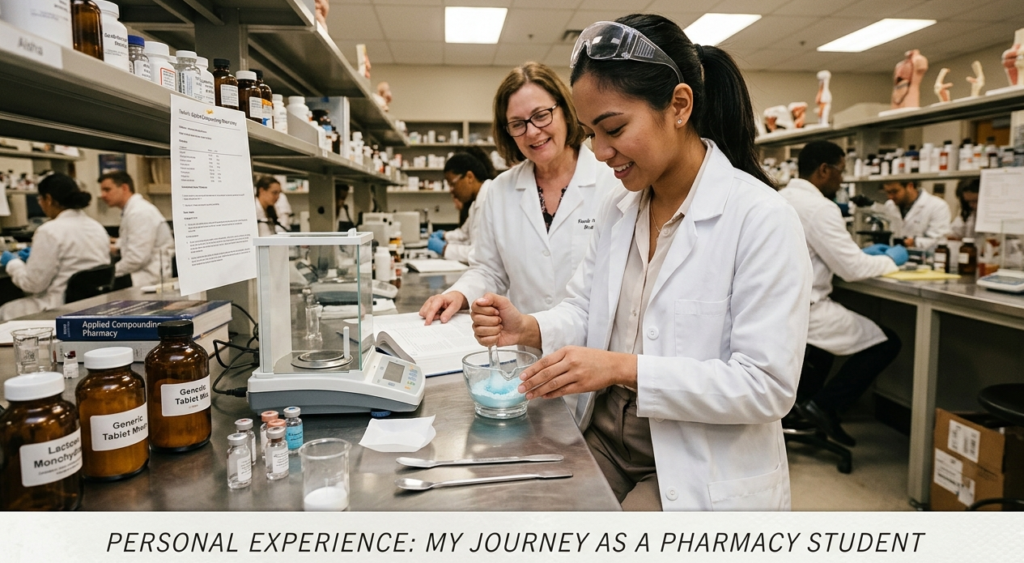
Personal Experience as a Pharmacy Student : How Is Diabetes Reversed?
During my clinical rotations, I encountered a middle-aged patient recently diagnosed with type 2 diabetes. His HbA1c was significantly elevated, and he was worried about lifelong medication dependence. Initially, he required oral antidiabetic medications, including metformin. However, he also committed to walking daily, reducing sugary beverages, controlling portion sizes, and attending regular follow-up appointments.
Over the following months, his weight steadily decreased. His blood sugar readings improved remarkably, and his physician gradually adjusted his medication regimen. What stood out most was his consistency rather than any miracle diet. He often said that he stopped focusing on perfection and instead focused on sustainable habits.
This experience reinforced an important lesson. Many patients search for shortcuts when asking how id diabetes reversed permanently. In reality, success often comes from small actions repeated every day rather than dramatic overnight transformations.
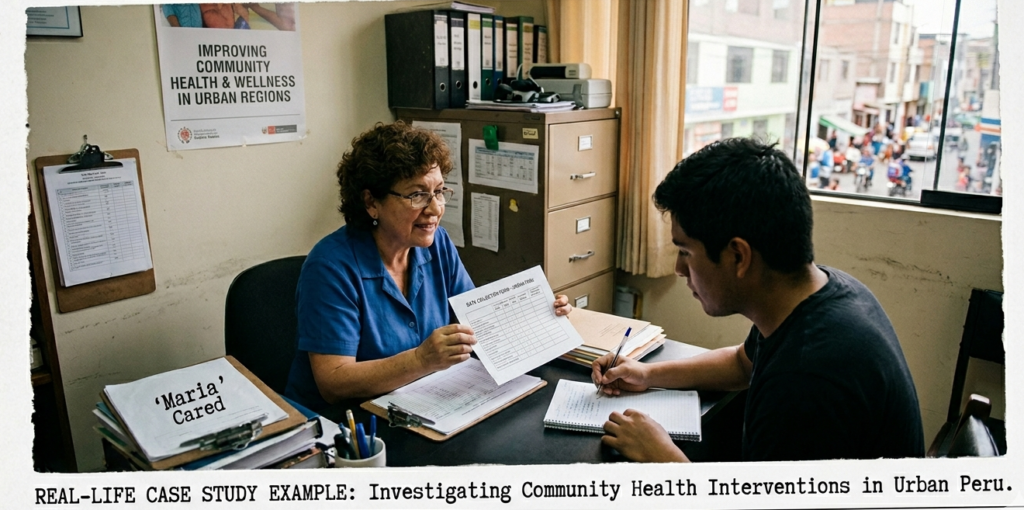
Real-Life Case Study Example
Patient Profile
- Age: 42 years
- Newly diagnosed type 2 diabetes
- Weight: 102 kg
- HbA1c: 8.4%
Intervention
The healthcare team recommended:
- Calorie-controlled diet
- Daily walking
- Resistance training
- Regular glucose monitoring
- Metformin therapy
Results After 12 Months
- Weight reduced to 84 kg
- HbA1c decreased to 5.9%
- Significant reduction in medication requirements
- Improved cholesterol and blood pressure levels
This case demonstrates how diabetes reversed with weight loss can become a realistic goal when intervention occurs early. It also highlights why people ask can diabetes reversed if caught early. Earlier intervention often produces better outcomes because pancreatic function may still be relatively preserved.
Prevention and Long-Term Management
How Is Diabetes Reversed
Although genetics cannot be changed, lifestyle habits can significantly influence risk.
Key prevention strategies include:
- Maintaining healthy body weight
- Exercising regularly
- Consuming balanced meals
- Limiting sugary drinks
- Prioritizing sleep
- Managing stress
- Undergoing routine health screenings
The CDC notes that type 2 diabetes can often be prevented or delayed through lifestyle changes.
Management Approaches
Insulin Injections
People with type 1 diabetes require insulin because their bodies produce little or none.
Some individuals with advanced type 2 diabetes may also require insulin therapy.
Oral Antidiabetic Medications
Common medications include:
- Metformin
- Sulfonylureas
- DPP-4 inhibitors
- SGLT2 inhibitors
Metformin remains one of the most frequently prescribed treatments for type 2 diabetes.
Blood Sugar Monitoring
Regular monitoring helps patients:
- Track progress
- Adjust dietary habits
- Prevent complications
- Improve long-term outcomes
Can a Diabetic Go Back to Normal?
Some individuals with type 2 diabetes achieve normal blood sugar levels without medications through remission. However, ongoing monitoring remains essential because diabetes can recur.
Can a 25 Year Old Reverse Diabetes?
Yes, younger individuals with recently diagnosed type 2 diabetes often have a greater opportunity to achieve remission through weight loss, dietary improvement, and exercise. Age alone does not determine success; early intervention is often more important.
Can You Live 100 Years with Diabetes?
Many people with well-controlled diabetes live long, healthy lives. Modern treatments, improved monitoring technologies, and increased awareness have dramatically improved outcomes compared with previous generations.

Conclusion
The question “Can diabetes be reversed naturally?” or How Is Diabetes Reversed has a hopeful answer, particularly for people living with type 2 diabetes. Scientific evidence increasingly supports the possibility of remission through significant weight loss, dietary changes, increased physical activity, and sustained lifestyle improvements. The earlier these interventions begin, the better the chances of success.
At the same time, diabetes remission should not be mistaken for a permanent cure. Continuous monitoring, healthy habits, and regular medical follow-up remain essential. Type 1 diabetes currently cannot be naturally reversed, although promising research involving stem cells and advanced therapies continues to evolve.
Diabetes may begin quietly, but its consequences can be severe if ignored. Recognizing symptoms early, understanding risk factors, and taking proactive steps toward healthier living can dramatically change the course of the disease. Whether your goal is prevention, improved blood sugar control, or remission, every positive lifestyle change moves you closer to better health.

Frequently Asked Questions (FAQs)
1. How do I reverse my diabetes naturally?
The most effective natural approach involves weight loss, regular exercise, healthy eating patterns, stress management, and consistent medical monitoring. Remission is most achievable in type 2 diabetes.
2. Is it possible to fully reverse diabetes?
Type 2 diabetes may enter remission, but medical experts do not consider it permanently cured. Type 1 diabetes currently cannot be fully reversed.
3. Can diabetes be reversed if caught early?
Yes. Earlier diagnosis often improves remission chances because pancreatic function may still be preserved.
4. Can type 2 diabetes be reversed permanently?
Some people remain in remission for many years. However, diabetes can return if weight is regained or healthy habits decline.
5. Can type 1 diabetes be reversed with diet and exercise?
No. Diet and exercise help manage blood sugar levels but cannot replace the insulin-producing cells destroyed by the autoimmune process.