
Table of Contents
Choosing a career after completing a Pharm.D, M.Pharm, MBBS, MD, or PhD can often feel overwhelming. While traditional roles such as clinical pharmacist, hospital pharmacist, pharmacovigilance associate, and clinical research coordinator remain popular, one career has rapidly gained attention over the last decade—Medical Science Liaison (MSL). The demand for scientifically trained professionals who can bridge the gap between pharmaceutical companies and healthcare professionals has grown significantly, making medical science liaison jobs for freshers one of the most searched career options among pharmacy graduates.
The pharmaceutical industry has evolved from simply promoting medicines to creating evidence-driven scientific communication. Companies now seek professionals capable of discussing clinical trial outcomes, explaining complex therapeutic data, and building long-term relationships with key opinion leaders (KOLs). This is exactly where a Medical Science Liaason (MSL) plays an essential role. Unlike sales representatives, MSLs focus on scientific exchange rather than product promotion, making the role intellectually rewarding and highly respected across medical affairs departments.
As a Pharm.D graduate, I initially believed that careers after graduation were limited to hospitals or pharmacovigilance companies. During internships and interactions with medical affairs professionals, I discovered the MSL role and realized how closely it aligned with my passion for evidence-based medicine, literature evaluation, and physician communication. That discovery completely changed my perspective on career opportunities available to pharmacy graduates. Today, many multinational pharmaceutical companies actively recruit candidates with strong scientific knowledge and communication skills for medical affairs positions.
This comprehensive guide explores what is a medical science liaison, what does a medical science liaison do,Medical Science Liaison Jobs for Freshers, eligibility requirements, certifications, salary expectations, remote opportunities, resume tips, and the complete roadmap for securing medical science liaison jobs in India, especially for freshers.
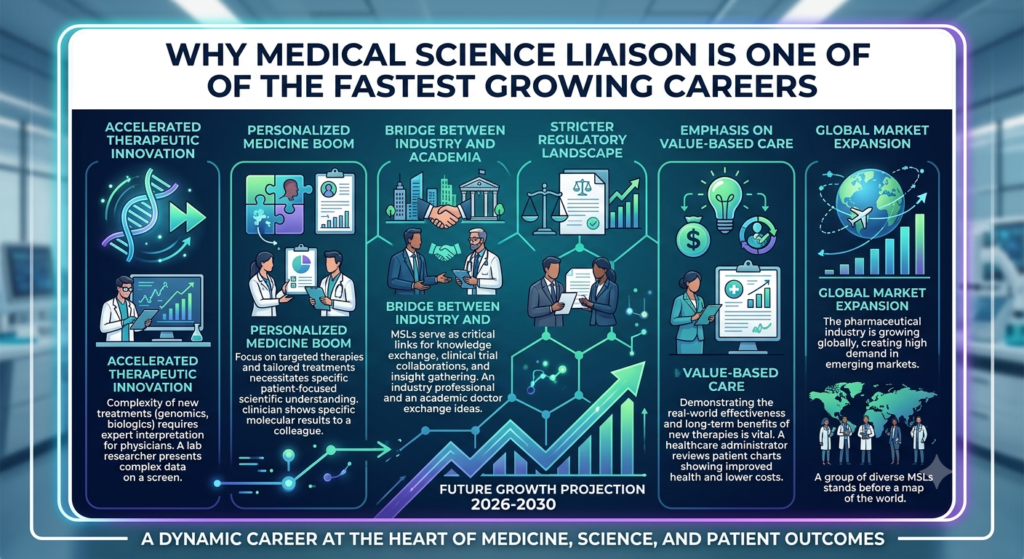
Why Medical Science Liaison Is One of the Fastest Growing Careers : Medical Science Liaison Jobs for Freshers
The pharmaceutical and biotechnology industries have witnessed remarkable transformation in recent years. Drug development has become increasingly complex, requiring continuous communication between pharmaceutical companies, physicians, researchers, and healthcare institutions. Regulatory expectations have also increased, demanding accurate scientific communication rather than traditional promotional marketing. These changes have significantly increased the demand for Medical Science Liaison (MSL) professionals worldwide.
Several market reports indicate that medical affairs teams are expanding across oncology, immunology, rare diseases, vaccines, diabetes, cardiovascular medicine, neurology, and specialty therapeutics. Pharmaceutical companies recognize that physicians value discussions supported by clinical evidence instead of sales presentations. Consequently, MSLs have become one of the most strategic positions within pharmaceutical organizations.
Another reason behind the growing popularity of medical science liaison jobs is career progression. Many professionals eventually move into roles such as:
- Medical Advisor
- Medical Manager
- Medical Affairs Lead
- Scientific Affairs Manager
- Global Medical Director
- Medical Excellence Manager
Unlike many entry-level pharmaceutical careers, the MSL pathway offers continuous professional development while allowing candidates to remain closely connected with cutting-edge medical research. Individuals who enjoy reading scientific literature, attending medical conferences, interacting with specialists, and translating complex clinical evidence into practical insights often find this career highly fulfilling.
For fresh graduates, entering this field may seem challenging because many organizations seek prior experience. However, with strategic preparation, internships, scientific publications, conference participation, and networking, freshers can successfully position themselves for entry level medical science liaison jobs.
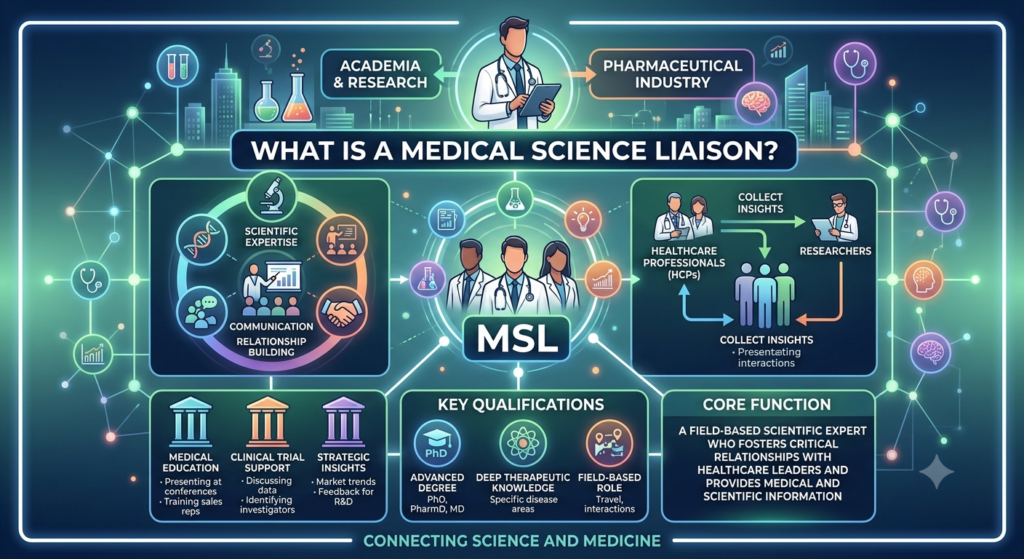
What Is a Medical Science Liaison? : Medical Science Liaison Jobs for Freshers
A Medical Science Liaison (MSL) is a scientifically trained healthcare professional who serves as the bridge between pharmaceutical companies and healthcare professionals. Their primary responsibility is to facilitate unbiased scientific exchange by communicating evidence-based information about medicines, clinical trials, treatment guidelines, and emerging therapeutic advancements.
Unlike sales representatives whose objectives revolve around commercial targets, MSLs belong to the medical affairs division. Their role focuses on education, collaboration, and scientific credibility rather than product promotion. This distinction makes MSLs trusted partners for physicians, researchers, and key opinion leaders (KOLs).
An MSL frequently interacts with specialists, investigators, academic institutions, and healthcare organizations. They discuss published research, ongoing clinical studies, unmet medical needs, and real-world evidence. They also gather valuable medical insights from clinicians, which can influence future research strategies and patient care initiatives.
The role requires a unique combination of deep scientific expertise and exceptional communication skills. An effective MSL must understand disease pathology, treatment guidelines, pharmacology, clinical trial methodology, and regulatory compliance while also being able to explain these concepts clearly to healthcare professionals.
As pharmaceutical innovation accelerates, particularly in personalized medicine, biologics, gene therapy, and immunotherapy, the importance of Medical Science Liaisons continues to grow. Their scientific contributions directly support medical education, research collaborations, and improved patient outcomes.
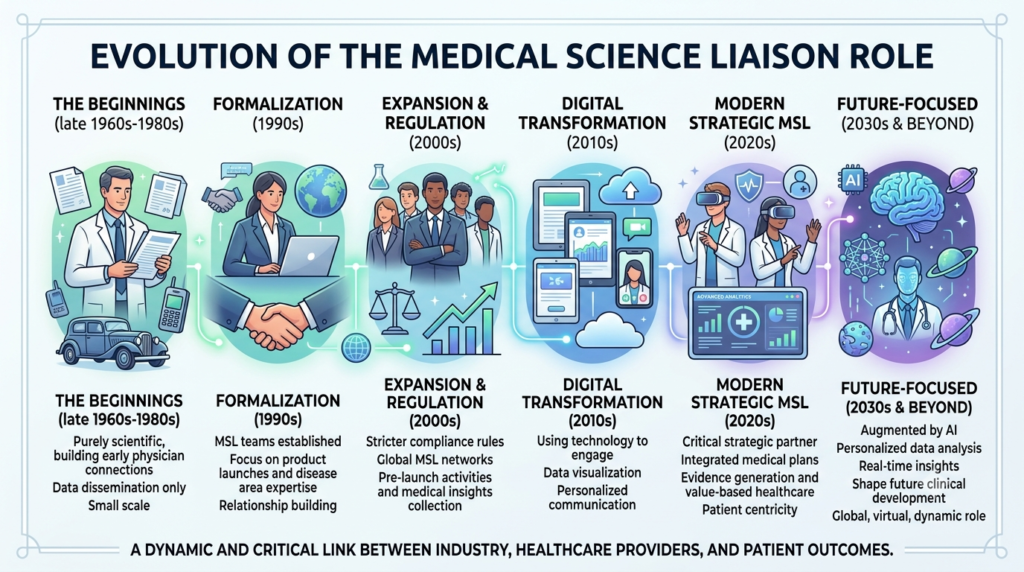
Evolution of the Medical Science Liaison Role : Medical Science Liaison Jobs for Freshers
When the MSL role was first introduced several decades ago, responsibilities were largely limited to providing scientific support for complex products. Today, the profession has evolved into a strategic medical affairs function that influences clinical research, evidence generation, physician education, and healthcare partnerships.
Modern MSLs participate in advisory board meetings, scientific conferences, investigator-initiated studies, and cross-functional collaborations with clinical development, pharmacovigilance, regulatory affairs, and market access teams. They are often involved in identifying research opportunities and collecting valuable insights from practicing clinicians that shape future development programs.
Digital transformation has also changed how MSLs work. Virtual scientific meetings, webinars, online advisory boards, and hybrid conferences have expanded the scope of scientific engagement beyond traditional face-to-face interactions. As a result, many pharmaceutical companies now offer hybrid or medical science liaison jobs remote, allowing professionals to engage with healthcare providers using digital platforms while maintaining scientific excellence.
Why Pharmaceutical Companies Need MSLs : Medical Science Liaison Jobs for Freshers
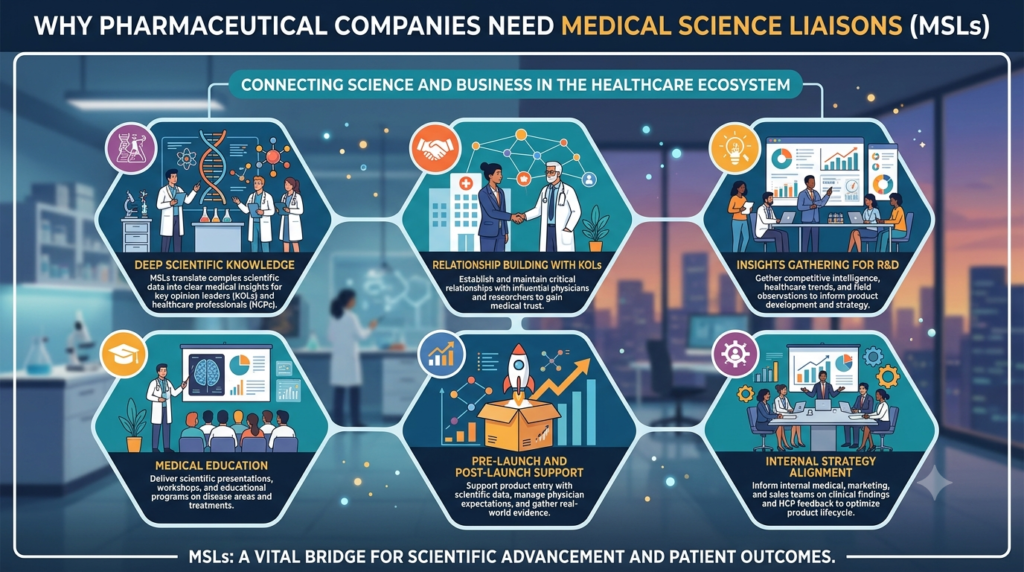
Healthcare professionals expect reliable scientific information supported by high-quality evidence. Physicians frequently have complex questions regarding new therapies, safety profiles, comparative clinical studies, or treatment guidelines. MSLs are uniquely qualified to address these questions because of their advanced scientific training and deep understanding of therapeutic areas.
From a pharmaceutical company’s perspective, MSLs help establish scientific credibility while ensuring that communication remains compliant with regulatory standards. They also identify emerging medical trends, collect real-world clinical insights, support investigator-sponsored research, and facilitate collaborations between industry and academia.
Most importantly, MSLs strengthen relationships built on trust rather than commercial objectives. This scientific partnership ultimately contributes to better healthcare decisions, improved research, and enhanced patient outcomes.
What Does a Medical Science Liaison Do? : Medical Science Liaison Jobs for Freshers
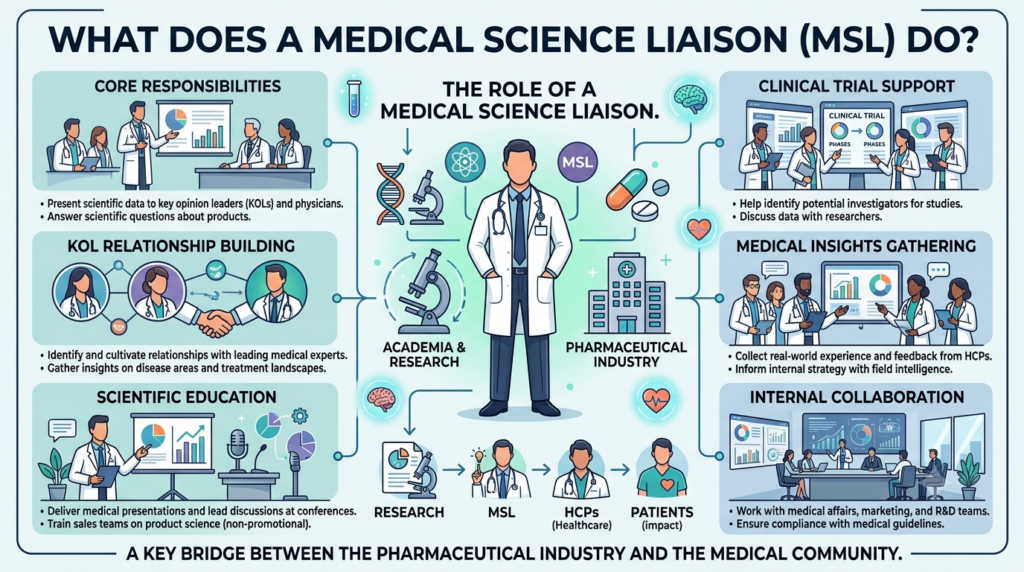
If you are exploring medical science liaison jobs for freshers, one of the first questions that comes to mind is, “What does a medical science liaison do?” Contrary to popular belief, an MSL is not a sales representative. Instead, an MSL serves as the scientific face of a pharmaceutical, biotechnology, or medical device company. Their role revolves around sharing evidence-based medical information, building relationships with healthcare professionals, and supporting research initiatives.
A Medical Science Liaison works closely with Key Opinion Leaders (KOLs)—highly respected physicians, researchers, and healthcare experts in specific therapeutic areas. They discuss clinical trial data, answer scientific questions, provide updates on treatment guidelines, and gather real-world insights that can influence future research and patient care. Since these conversations often involve complex scientific topics, MSLs must have an excellent understanding of disease pathology, pharmacology, biostatistics, and evidence-based medicine.
Unlike commercial teams, MSLs do not promote products through sales pitches. Instead, they engage in non-promotional scientific discussions while ensuring compliance with regulatory and ethical guidelines. They collaborate internally with departments such as clinical research, pharmacovigilance, regulatory affairs, medical writing, and marketing to ensure accurate scientific communication. Their ability to translate complex medical literature into practical insights makes them indispensable in modern pharmaceutical organizations.
Daily Responsibilities of a Medical Science Liaison : Medical Science Liaison Jobs for Freshers
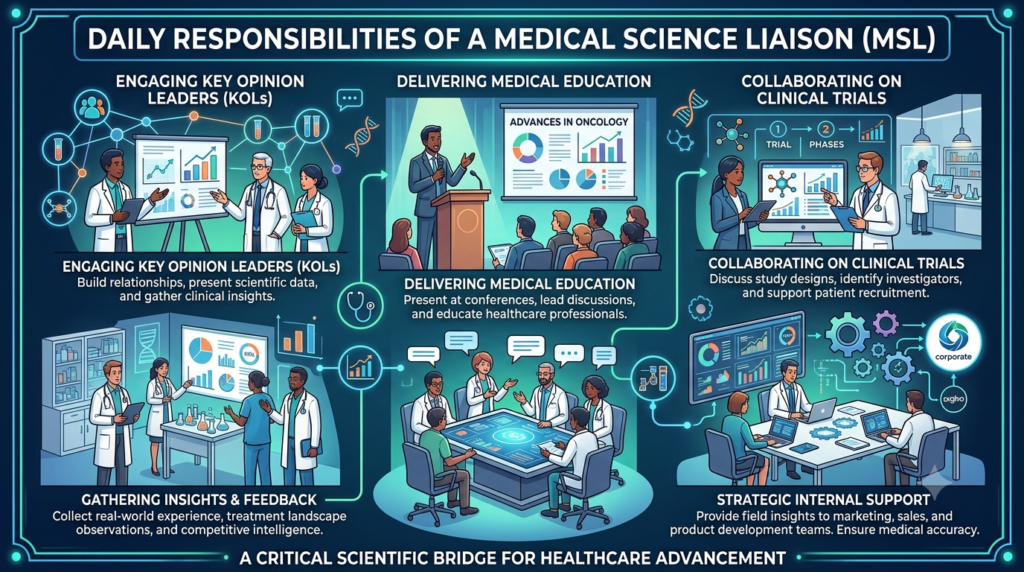
Although the exact responsibilities vary depending on the therapeutic area and organization, most MSLs perform a combination of field-based scientific engagement, literature review, medical education, and cross-functional collaboration.
A typical day for an MSL may include:
- Meeting physicians, specialists, and healthcare professionals.
- Presenting the latest clinical trial data.
- Explaining newly approved therapies.
- Conducting scientific discussions with Key Opinion Leaders.
- Supporting investigator-initiated studies.
- Collecting medical insights from clinicians.
- Attending national and international medical conferences.
- Delivering scientific presentations and webinars.
- Reviewing newly published medical literature.
- Collaborating with internal medical affairs and clinical research teams.
One unique aspect of the role is travel. Many MSLs visit hospitals, academic medical centers, and research institutions within their assigned territories. Others now work in hybrid roles, combining in-person meetings with virtual engagements through digital platforms, leading to the rise of medical science liaison jobs remote.
Key Performance Indicators (KPIs) for Medical Science Liaisons : Medical Science Liaison Jobs for Freshers
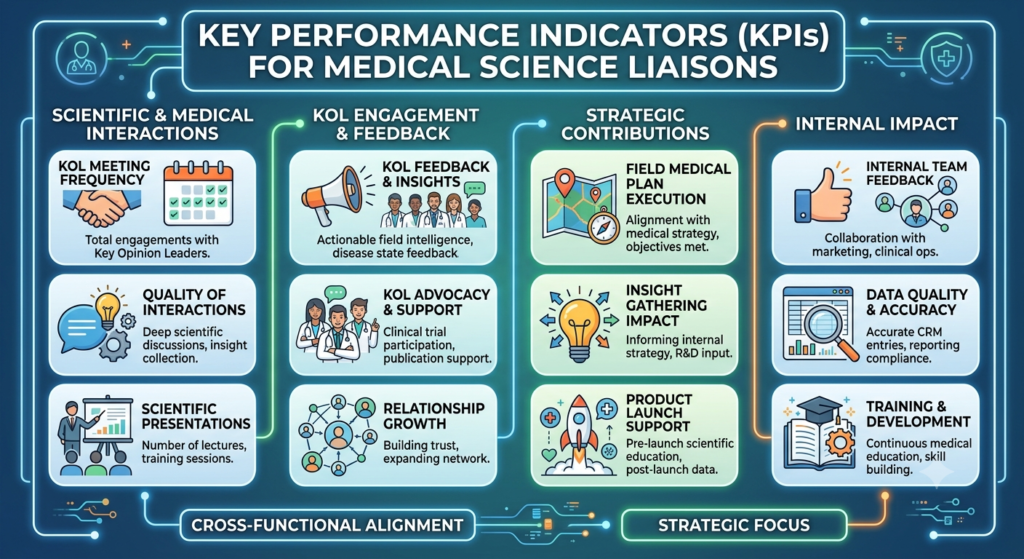
Unlike sales professionals who are evaluated based on revenue generation, MSLs are measured through scientific impact and relationship-building. Their performance reflects the quality of medical engagement rather than commercial success.
Some common KPIs include:
| KPI | Why It Matters |
|---|---|
| Scientific interactions with KOLs | Demonstrates effective medical engagement |
| Quality of medical insights collected | Supports research and product strategy |
| Advisory board participation | Strengthens physician collaboration |
| Clinical research support | Facilitates evidence generation |
| Educational presentations | Improves scientific awareness |
| Internal cross-functional collaboration | Enhances organizational decision-making |
| Compliance with medical regulations | Ensures ethical scientific communication |
Strong KPIs help MSLs progress into senior medical affairs roles, including Medical Advisor, Medical Manager, and Global Medical Director.
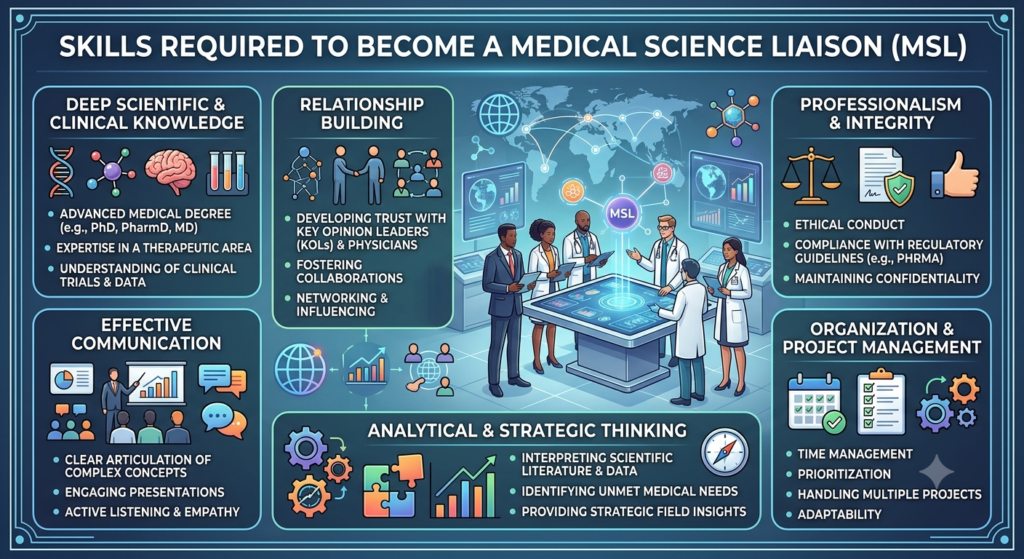
Skills Required to Become a Medical Science Liaison : Medical Science Liaison Jobs for Freshers
One reason why medical science liaison jobs are highly respected is that they require a balanced combination of scientific expertise and interpersonal abilities. Pharmaceutical companies seek professionals who can confidently discuss clinical evidence while building trusted relationships with healthcare experts.
Although academic qualifications are important, employers increasingly prioritize practical skills such as scientific communication, critical thinking, and problem-solving. As medical science becomes more data-driven, MSLs are expected to interpret research findings accurately and communicate them in a clinically meaningful way.
Technical Skills
A successful Medical Science Liaison should possess strong technical knowledge in multiple areas of medicine and pharmaceutical sciences. Employers often assess candidates through scientific discussions and literature interpretation exercises during interviews.
Essential technical skills include:
- Strong understanding of pharmacology and therapeutics.
- Clinical trial design and interpretation.
- Evidence-based medicine.
- Medical literature evaluation.
- Biostatistics fundamentals.
- Drug safety and pharmacovigilance.
- Disease pathology.
- Medical writing.
- Scientific presentation skills.
- Knowledge of Good Clinical Practice (GCP).
- Regulatory awareness.
- Digital medical communication tools.
Candidates with publication experience, poster presentations, or conference participation often stand out during recruitment.
Soft Skills
Scientific expertise alone is not enough to succeed as an MSL. Since the role revolves around professional relationships, communication and emotional intelligence are equally valuable.
Important soft skills include:
- Excellent communication.
- Active listening.
- Confidence during scientific discussions.
- Critical thinking.
- Adaptability.
- Professional networking.
- Time management.
- Problem-solving.
- Negotiation skills.
- Leadership potential.
- Public speaking.
- Emotional intelligence.
These skills become increasingly important when interacting with experienced physicians who expect meaningful, evidence-based conversations rather than scripted presentations.
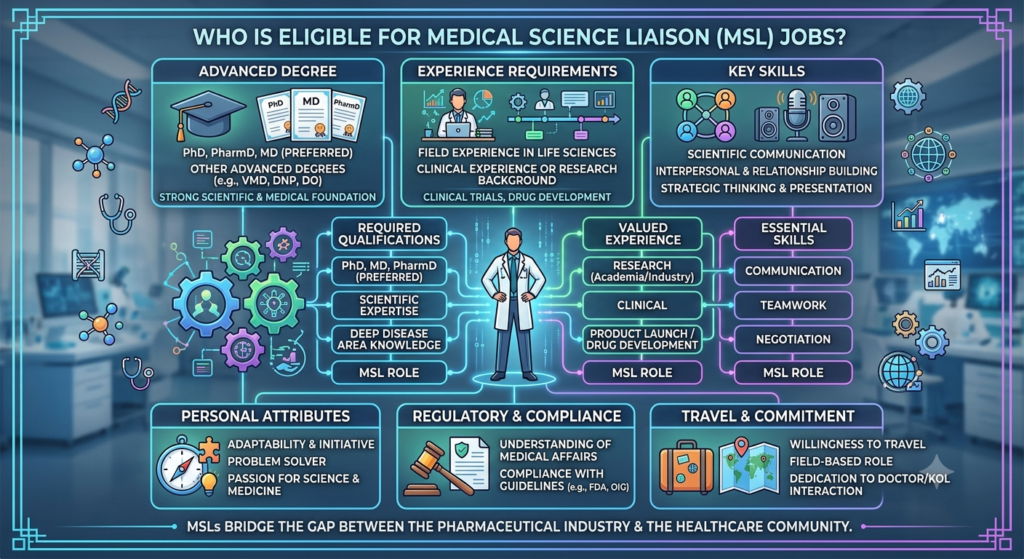
Who Is Eligible for Medical Science Liaison Jobs? : Medical Science Liaison Jobs for Freshers
Many students ask, “Who is eligible for medical science liaison?” The good news is that several healthcare and life science qualifications can lead to an MSL career.
Common eligible degrees include:
- Pharm.D
- M.Pharm
- MBBS
- MD
- BDS (selected organizations)
- PhD in Life Sciences
- MSc Clinical Research
- MSc Pharmacology
- Biotechnology
- Biochemistry
- Molecular Biology
Among these, Pharm.D graduates are often considered excellent candidates because their curriculum combines clinical pharmacy, pharmacotherapeutics, pharmacology, patient care, clinical rotations, and evidence-based medicine. This comprehensive training closely aligns with the scientific responsibilities of an MSL.
For freshers, having internship experience, research projects, publications, conference presentations, or certifications in medical affairs can significantly strengthen a job application.
How to Become a Medical Science Liaison : Medical Science Liaison Jobs for Freshers
If you’re wondering how to become a medical science liaison, it’s important to understand that there is no single fixed pathway. Most successful MSLs combine academic qualifications with practical exposure, scientific communication skills, and continuous professional development.
While experienced professionals often transition into MSL roles from clinical research or medical affairs, fresh graduates can also build competitive profiles through strategic planning.
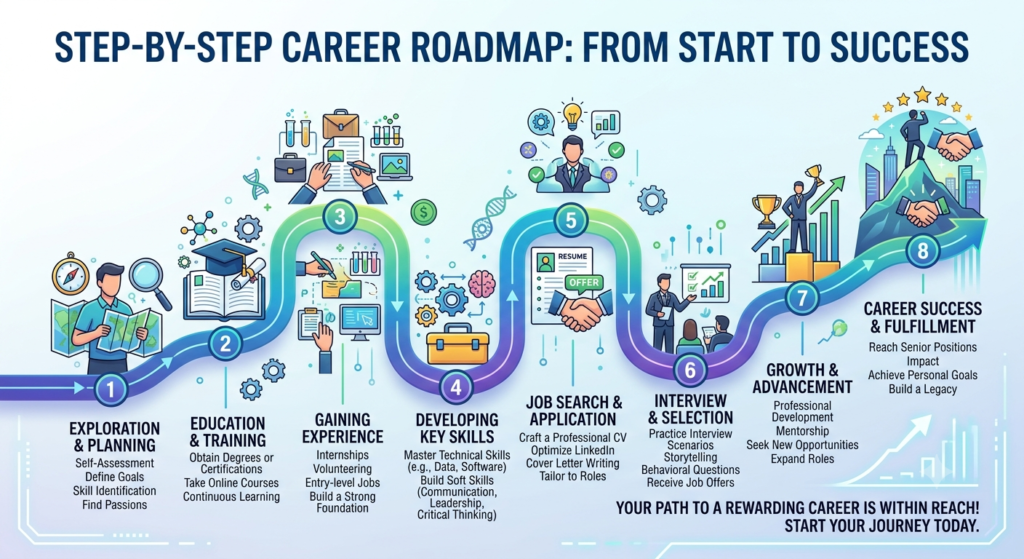
Step-by-Step Career Roadmap : Medical Science Liaison Jobs for Freshers
Step 1: Complete a Relevant Healthcare Degree
Earn a qualification such as Pharm.D, M.Pharm, MBBS, MD, or PhD.
Step 2: Build Strong Clinical Knowledge
Develop expertise in:
- Pharmacology
- Therapeutics
- Clinical guidelines
- Disease management
- Clinical research
Step 3: Improve Scientific Communication
Practice:
- Literature review.
- Journal club presentations.
- Scientific presentations.
- Medical writing.
- Research interpretation.
Step 4: Gain Relevant Experience
Freshers should actively seek opportunities such as:
- Clinical research internships.
- Medical writing.
- Pharmacovigilance.
- Medical information roles.
- Clinical pharmacist positions.
- Healthcare content writing.
These experiences demonstrate transferable skills valued in medical affairs.
Step 5: Earn Professional Certifications
Completing recognized medical science liaison certification programs can strengthen your resume and demonstrate commitment to the profession.
Step 6: Network with Medical Affairs Professionals
Attend:
- Medical conferences.
- Scientific webinars.
- LinkedIn networking events.
- Medical affairs workshops.
Many professionals secure interviews through networking rather than traditional job applications alone.
Step 7: Prepare for MSL Interviews
Interview questions often assess:
- Clinical reasoning.
- Scientific communication.
- Literature interpretation.
- Handling physician objections.
- Therapeutic area expertise.
Preparation should include mock presentations and discussions on landmark clinical trials.
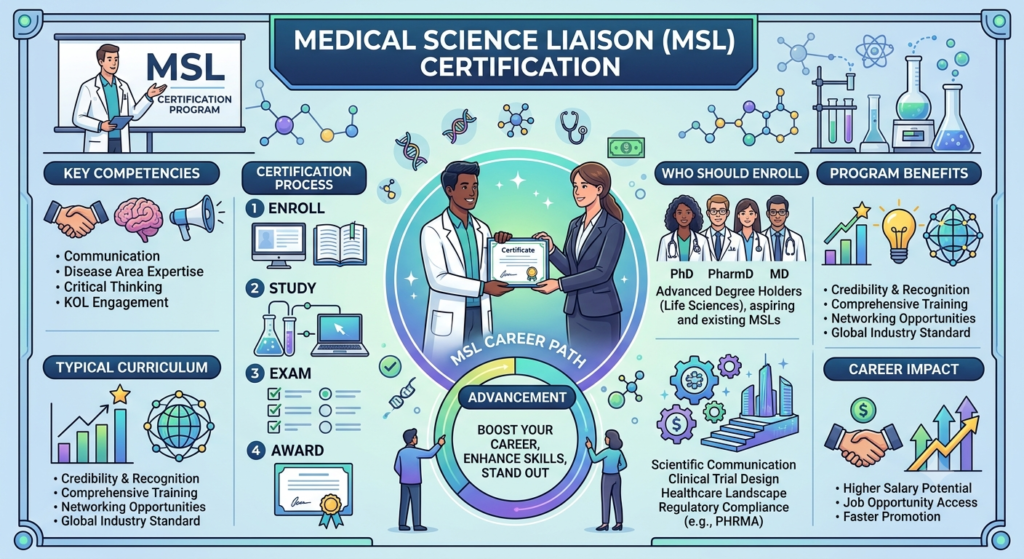
Medical Science Liaison Certification : Medical Science Liaison Jobs for Freshers
| Course / Platform | What You’ll Learn | Certificate | Course Link |
|---|---|---|---|
| FreeGCP – Medical Science Liaison Training Program | Complete MSL curriculum covering Medical Affairs, KOL engagement, scientific exchange, compliance, and field strategy | ✅ Free verified certificate after completing courses and exams | https://www.freegcp.com/tracks/msl |
| FreeGCP – Foundations of Medical Science Liaison Practice | Introduction to the MSL role, daily responsibilities, career path, and Medical Affairs | ✅ Included in MSL track | https://www.freegcp.com/courses/msl-foundations |
| FreeGCP – Scientific Exchange & KOL Engagement | Scientific communication, KOL mapping, advisory boards, and congress planning | ✅ Included in MSL track | https://www.freegcp.com/courses/scientific-exchange-kol |
| FreeGCP – Good Clinical Practice (ICH E6 R3) | International GCP guidelines required for clinical research and medical affairs | ✅ Free online completion record (optional paid PDF certificate) | https://www.freegcp.com/free-gcp-certification |
| OpenWHO | WHO-certified courses in clinical research, infectious diseases, public health, and pharmacovigilance | ✅ Free certificate | https://openwho.org |
| Coursera (Audit Mode) | Drug Development, Clinical Trials, Medical Research, Biostatistics | ⚠️ Course is free to audit; verified certificate is usually paid | https://www.coursera.org |
| FutureLearn | Clinical Research, Healthcare Leadership, Evidence-Based Medicine | ⚠️ Many courses are free to learn; certificate may require payment | https://www.futurelearn.com |
| NIH (National Institutes of Health) | Clinical research methodology, biomedical research ethics, and medical research resources | ✅ Many free learning resources | https://www.nih.gov |
| FDA Learn | Drug development, regulatory science, clinical trials, and medical product regulation | ✅ Free learning modules | https://www.fda.gov/training-and-continuing-education |
| Vyoma-IQ – Free Pharma Courses | GCP, Clinical Research, Pharmacovigilance, Regulatory Affairs, GMP | ✅ Free certificate for selected courses | https://blog.vyomaiq.com/courses |
| ClinPath – Free Pharma Courses | Clinical Research, Pharmacovigilance, Medical Writing, Regulatory Affairs, Career Guidance | ✅ Many free resources | https://www.clinpath.in/courses |
| Elevify – Medical Affairs Course | Medical Affairs fundamentals, MSL role, scientific communications, evidence generation | ✅ Valid certificate (check current free offers) | https://www.elevify.com/en-in/courses/health-and-medicine/healthcare/medical-affairs-course-40fc6 |
Medical Science Liaison Resume: How to Stand Out as a Fresher : Medical Science Liaison Jobs for Freshers
One of the biggest misconceptions among pharmacy graduates is that an ordinary resume is enough to secure medical science liaison jobs for freshers. In reality, recruiters spend only a few seconds reviewing each application, so your resume must immediately demonstrate scientific expertise, communication skills, and an understanding of medical affairs. Since most freshers lack direct MSL experience, highlighting transferable skills becomes crucial. A well-structured resume should showcase your ability to interpret clinical literature, present scientific information, collaborate with healthcare professionals, and contribute to evidence-based healthcare.
For Pharm.D graduates, internship rotations, case presentations, journal clubs, ward rounds, patient counseling, and drug information services are valuable experiences that align closely with the responsibilities of an MSL. If you have completed research projects, systematic reviews, review articles, conference posters, or healthcare blogs, include them under a dedicated “Research & Publications” section. Recruiters appreciate candidates who have demonstrated curiosity and initiative in scientific communication.
Your resume should also emphasize measurable achievements rather than simply listing responsibilities. For example, instead of writing “Completed internship in hospital pharmacy,” write “Presented 20+ patient case discussions, evaluated current treatment guidelines, and collaborated with multidisciplinary healthcare teams during a 12-month clinical internship.” This approach demonstrates both competence and impact.
Key Sections to Include in Your Medical Science Liaison Resume : Medical Science Liaison Jobs for Freshers
| Section | What to Include |
|---|---|
| Professional Summary | Highlight your scientific background, communication skills, and career objective in medical affairs. |
| Education | Pharm.D, M.Pharm, MBBS, MD, PhD, or related healthcare qualifications. |
| Clinical Experience | Internships, clinical rotations, hospital training, ward rounds. |
| Research Experience | Thesis, publications, review articles, conference presentations, posters. |
| Certifications | GCP, Clinical Research, Pharmacovigilance, Medical Affairs, Medical Science Liaison Certification. |
| Technical Skills | Literature review, PubMed searching, clinical trial interpretation, Microsoft Office, medical writing. |
| Soft Skills | Scientific communication, presentation, networking, leadership, critical thinking. |
| Conferences & Workshops | National and international scientific meetings attended. |
| Languages | English and regional languages (especially useful for field-based roles). |
Resume Tips for Freshers
- Tailor your resume for each MSL job application.
- Keep it concise (1–2 pages).
- Quantify achievements wherever possible.
- Include LinkedIn profile and professional email.
- Avoid generic objectives; focus on scientific communication and medical affairs.
- Proofread carefully to eliminate grammatical errors.
A polished resume, paired with a strong LinkedIn profile, significantly improves your chances of being shortlisted for entry level medical science liaison jobs.
Medical Science Liaison Jobs for Freshers
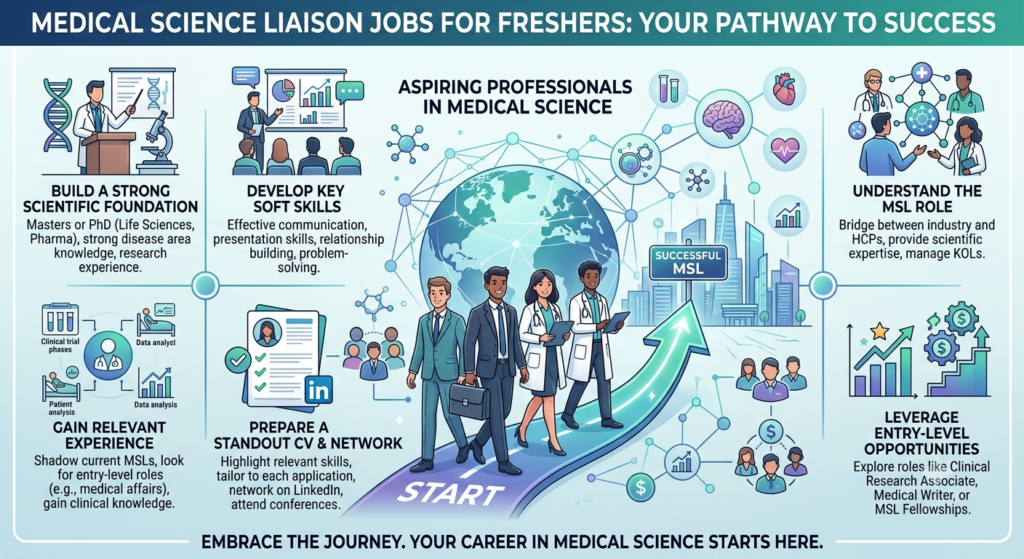
Many students assume that medical science liaison jobs for freshers are almost impossible to find because employers often mention “2–5 years of experience” in job descriptions. While it is true that many MSL positions prefer experienced candidates, the landscape is changing. As pharmaceutical companies expand their medical affairs teams, several organizations are creating trainee, junior, and associate-level roles for candidates with strong academic backgrounds and excellent communication skills.
Fresh graduates with degrees such as Pharm.D, M.Pharm, MBBS, MD, or PhD can improve their chances by building relevant experience through internships, medical writing, clinical research, pharmacovigilance, or medical information roles. These positions provide valuable exposure to scientific communication and healthcare collaboration, making candidates more competitive for future MSL openings.
Some organizations also recruit freshers into medical affairs trainee programs, where they receive structured training before transitioning into independent MSL roles. Networking through LinkedIn, attending scientific conferences, and connecting with experienced MSLs can also open doors to opportunities that are not widely advertised.
Common Entry-Level Job Titles : Medical Science Liaison Jobs for Freshers
- Medical Affairs Associate
- Junior Medical Science Liaison
- Associate Medical Science Liaison
- Medical Information Associate
- Scientific Affairs Executive
- Medical Advisor Trainee
- Clinical Research Associate
- Scientific Communications Associate
- Medical Content Specialist
These roles often serve as stepping stones toward becoming a full-fledged MSL.
| Company/Portal | Experience | Apply |
|---|---|---|
| Bayer – Medical Science Liaison | Freshers / 1–2 Years | https://career.bayer.com |
| Takeda – India Medical Talent Accelerator Program | Freshers | https://jobs.takeda.com |
| Johnson & Johnson – Medical Science Liaison | 0–2 Years | https://careers.jnj.com |
| Novartis – Medical Science Liaison | 0–3 Years | https://www.novartis.com/careers |
| Eisai India – Medical Science Liaison | Freshers | https://www.eisai.co.in/careers |
| Roche Careers | Medical Affairs / MSL | https://careers.roche.com |
| Pfizer Careers | Medical Affairs | https://www.pfizer.com/about/careers |
| AstraZeneca Careers | Medical Science Liaison | https://careers.astrazeneca.com |
| LinkedIn Jobs | Latest MSL Jobs | https://www.linkedin.com/jobs/medical-science-liaison-jobs-india |
| PharmaBharat | Latest India MSL Openings | https://pharmabharat.com/category/medical-science-liaison-jobs/ |
Medical Science Liaison Jobs in India : Medical Science Liaison Jobs for Freshers
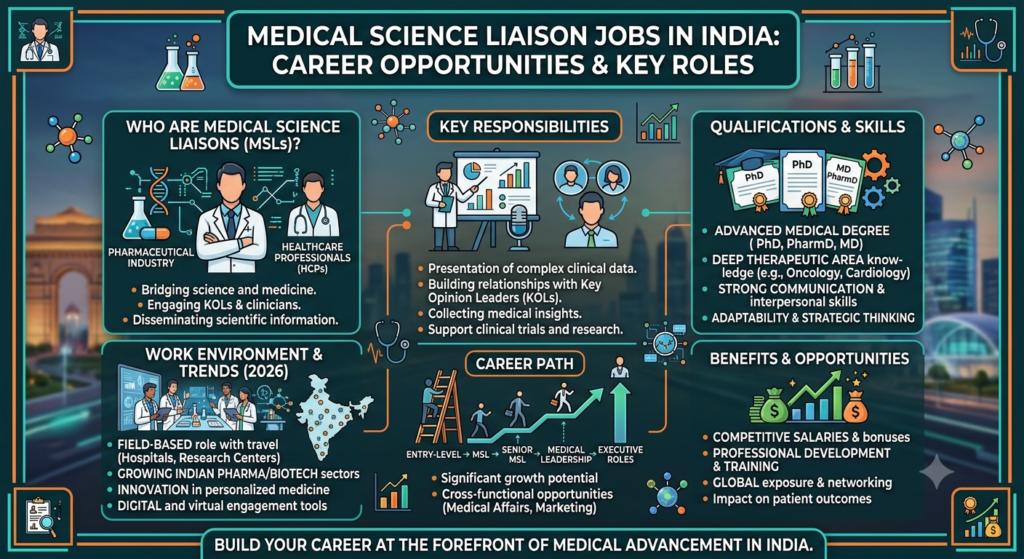
The Indian pharmaceutical and biotechnology sectors are witnessing rapid growth, driven by increased investment in specialty medicines, biosimilars, oncology, immunology, and rare diseases. As a result, medical science liaison jobs in India are becoming more common, especially in multinational pharmaceutical companies and leading domestic organizations.
Major hiring hubs include:
- Bengaluru
- Hyderabad
- Mumbai
- Pune
- Delhi NCR
- Ahmedabad
- Chennai
These cities host the headquarters or regional offices of numerous pharmaceutical companies, contract research organizations (CROs), and biotechnology firms. Professionals in these locations often have greater access to networking events, medical conferences, and career opportunities.
Top Companies Hiring Medical Science Liaisons
Some leading employers include:
- Roche
- Novartis
- Pfizer
- AstraZeneca
- Eli Lilly
- Takeda
- Bayer
- Johnson & Johnson
- Sanofi
- Merck
- GSK
- Dr. Reddy’s Laboratories
- Sun Pharma
- Cipla
- Lupin
- Biocon
Even if direct MSL openings are unavailable, applying for medical affairs or scientific communication roles within these organizations can create future pathways into MSL positions.
Medical Science Liaison Jobs Remote
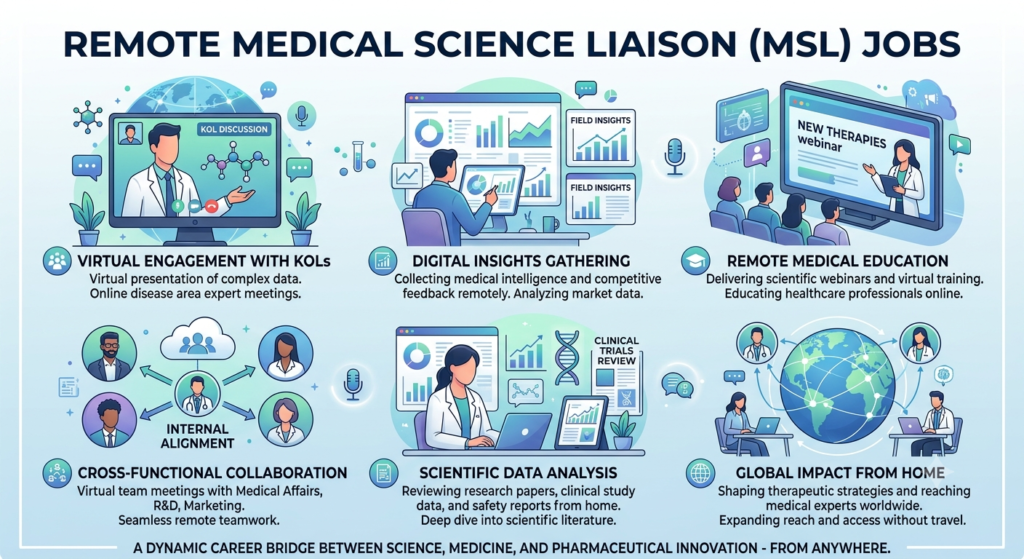
The adoption of digital healthcare has transformed the MSL profession. While field visits remain an important part of the role, many companies now offer medical science liaison jobs remote or hybrid positions. Virtual meetings with healthcare professionals, online advisory boards, and digital scientific presentations have become increasingly common.
Remote opportunities may involve:
- Virtual KOL engagement
- Online medical education programs
- Scientific webinars
- Medical information support
- Literature review and evidence generation
- Cross-functional collaboration using digital platforms
Although remote positions provide greater flexibility, candidates should remember that strong presentation skills, digital communication, and self-discipline are essential for success in these roles.
Medical Science Liaison Salary
One of the most attractive aspects of this career is the competitive compensation package. The medical science liaison salary depends on several factors, including education, experience, therapeutic area, company size, and geographic location.
Professionals working in specialized areas such as oncology, immunology, hematology, or rare diseases often receive higher compensation because of the complexity of the scientific discussions involved.
Medical Science Liaison Salary in India
The table below provides approximate annual salary ranges in India:
| Experience Level | Estimated Annual Salary |
|---|---|
| Fresher / Trainee | ₹8–12 LPA |
| 1–3 Years | ₹10–18 LPA |
| 3–5 Years | ₹15–25 LPA |
| 5–8 Years | ₹22–35 LPA |
| Senior MSL / Medical Advisor | ₹30–50+ LPA |
In addition to base salary, many companies offer:
- Performance bonuses
- Health insurance
- Travel allowances
- Provident Fund
- Stock options (in some multinational companies)
- Professional development support
- Conference sponsorships
Salaries are generally higher in multinational pharmaceutical companies compared to smaller domestic firms.
My Personal Experience as a Pharm.D Student
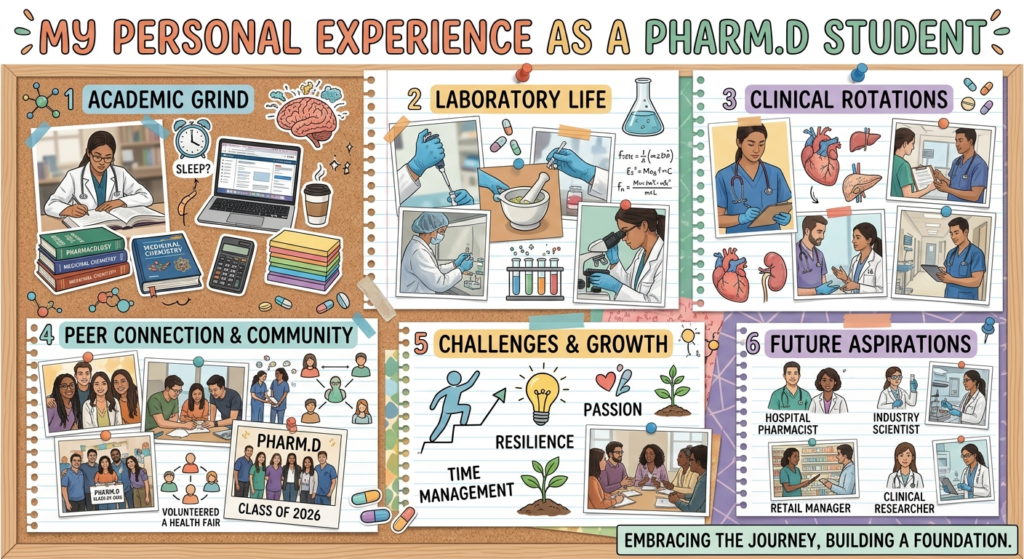
When I first enrolled in Pharm.D, my understanding of career opportunities was limited. Like many students, I assumed that hospital pharmacy, clinical pharmacy, pharmacovigilance, or clinical research were the primary options after graduation. During my internship, however, I developed a strong interest in reviewing clinical guidelines, discussing therapeutic decisions, and critically analyzing published research papers. These experiences gradually introduced me to the field of medical affairs.
As I explored different career paths, I came across the role of a Medical Science Liaison (MSL). What immediately attracted me was the balance between science and communication. The opportunity to discuss clinical evidence with healthcare professionals, contribute to medical education, and remain closely connected to research felt like a natural extension of the skills developed during Pharm.D training.
To strengthen my profile, I focused on activities beyond the curriculum. I participated in journal clubs, prepared patient case presentations, improved my literature searching skills using PubMed, and worked on medical content writing. Writing healthcare blogs and evidence-based articles also enhanced my ability to simplify complex scientific concepts without compromising accuracy. Looking back, these experiences not only improved my confidence but also prepared me for medical affairs interviews by sharpening my communication and critical thinking skills.
My advice to current Pharm.D students is simple: don’t wait until graduation to build your profile. Attend webinars, connect with professionals on LinkedIn, present posters at conferences, publish review articles, and continuously improve your scientific communication. Every small step contributes to becoming a stronger candidate for medical science liaison jobs for freshers.
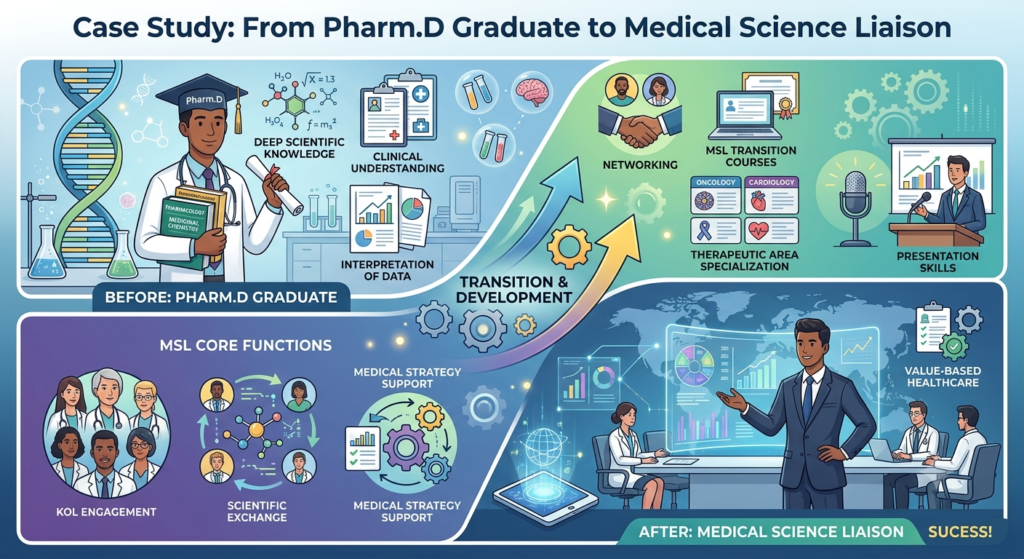
Case Study: From Pharm.D Graduate to Medical Science Liaison
Background:
A Pharm.D graduate from Hyderabad completed a one-year internship in a multispecialty hospital with a keen interest in oncology. During the internship, the student actively participated in case discussions, medication reviews, and journal clubs but had no direct pharmaceutical industry experience.
Challenges:
Despite applying to multiple MSL positions, the candidate received very few interview calls because most openings required prior medical affairs experience. Instead of giving up, the graduate decided to strengthen the profile strategically.
Actions Taken:
- Completed Good Clinical Practice (GCP) certification.
- Learned advanced literature searching using PubMed and Cochrane Library.
- Published two review articles in peer-reviewed journals.
- Presented a poster at a national pharmacy conference.
- Improved LinkedIn networking by connecting with experienced MSLs.
- Took up freelance medical writing to gain experience in scientific communication.
- Practiced mock MSL interviews and therapeutic area presentations.
Outcome:
Within eight months, the candidate secured a Medical Affairs Associate position in a multinational pharmaceutical company. After gaining approximately 18 months of experience, the individual successfully transitioned into a full-time Medical Science Liaison role focused on oncology. This journey demonstrates that while direct MSL opportunities for freshers may be limited, building relevant experience, showcasing scientific communication skills, and maintaining persistence can significantly improve career prospects.
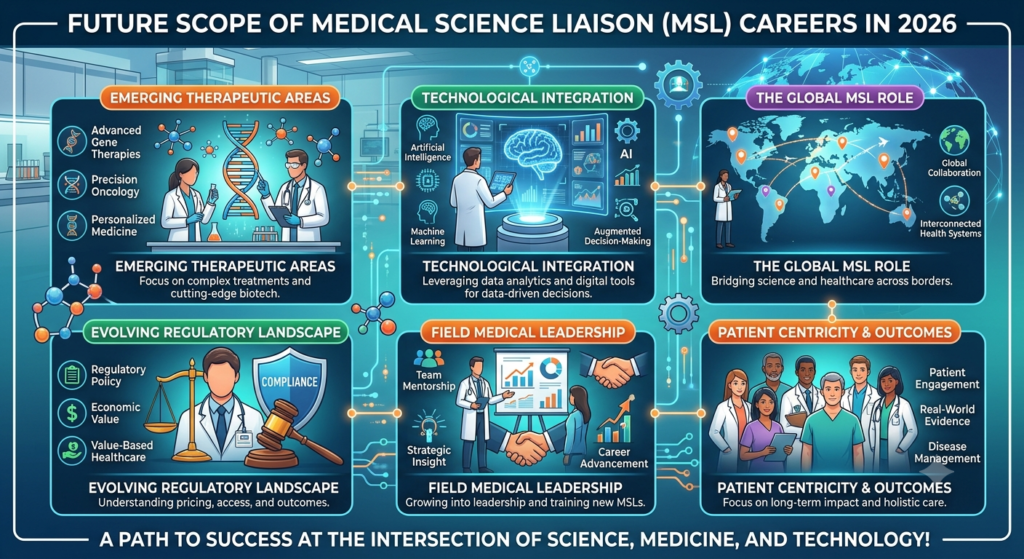
Future Scope of Medical Science Liaison Careers
The future of medical science liaison (MSL) careers looks exceptionally promising as pharmaceutical and biotechnology companies continue shifting toward evidence-based healthcare and precision medicine. With increasing investments in oncology, immunology, rare diseases, neuroscience, gene therapy, biosimilars, and personalized medicine, organizations need scientific experts who can bridge the gap between clinical research and medical practice. This growing emphasis on scientific engagement has transformed the MSL role from a niche position into one of the most strategic careers within medical affairs.
In India, the expansion of global capability centers (GCCs), increased clinical research activity, and the presence of multinational pharmaceutical companies have further strengthened demand for MSL professionals. Companies are not only hiring experienced candidates but are also investing in structured medical affairs training programs for high-potential graduates. As digital healthcare continues to evolve, hybrid and virtual scientific engagement models are creating additional opportunities, including medical science liaison jobs remote.
Career progression in medical affairs is another major advantage. Many professionals who begin as Medical Science Liaisons later advance into leadership positions where they influence scientific strategy, product development, and global medical communications.
Typical Career Progression
| Experience | Career Position |
|---|---|
| Entry Level | Medical Affairs Associate / Junior MSL |
| 2–4 Years | Medical Science Liaison |
| 4–7 Years | Senior Medical Science Liaison |
| 6–10 Years | Medical Advisor |
| 8–12 Years | Medical Manager |
| 10+ Years | Medical Affairs Lead / Medical Director |
For candidates who enjoy continuous learning, scientific discussions, and collaboration with healthcare experts, the MSL career offers excellent long-term growth, professional recognition, and financial stability.

People Also Ask
How can I become a Medical Science Liaison?
To become a Medical Science Liaason, earn a healthcare-related degree such as Pharm.D, M.Pharm, MBBS, MD, or PhD, and build expertise in clinical research, medical literature evaluation, and scientific communication. Completing internships, publishing research, obtaining certifications in medical affairs or Good Clinical Practice (GCP), and networking with professionals can significantly improve your chances. Many candidates also gain experience in pharmacovigilance, medical writing, or clinical research before transitioning into MSL roles.
How to join MSL?
Joining the MSL profession involves more than simply applying for vacancies. Employers seek candidates who demonstrate strong therapeutic knowledge, confidence in scientific discussions, and the ability to communicate evidence effectively. Start by strengthening your resume with research projects, conference presentations, certifications, and healthcare internships. Apply for medical affairs trainee positions, scientific communication roles, or entry-level medical affairs opportunities if direct MSL positions are unavailable.
Who is eligible for Medical Science Liaison?
The following qualifications are commonly accepted:
- Pharm.D
- M.Pharm
- MBBS
- MD
- PhD in Life Sciences
- MSc Pharmacology
- Biotechnology
- Clinical Research
Among these, Pharm.D graduates are particularly well suited because their curriculum includes clinical pharmacy, therapeutics, pharmacology, patient care, and evidence-based medicine.
How to get a job in MSL?
To secure medical science liaison jobs for freshers, focus on building a competitive profile rather than relying solely on academic qualifications.
Key strategies include:
- Build strong clinical knowledge.
- Improve scientific presentation skills.
- Publish review articles or research papers.
- Attend scientific conferences.
- Complete relevant certifications.
- Network actively on LinkedIn.
- Gain experience through medical writing or clinical research.
- Tailor your resume for medical affairs positions.
- Practice therapeutic area presentations for interviews.
Persistence is essential because many successful MSLs first enter medical affairs through related roles before transitioning into dedicated MSL positions.
What is an MSL in pharma salary?
An MSL working in multinational pharmaceutical companies generally receives an attractive compensation package.
Approximate salary ranges in India:
- Fresher/Trainee: ₹8–12 LPA
- 1–3 Years: ₹10–18 LPA
- 3–5 Years: ₹15–25 LPA
- Senior MSL: ₹25–40+ LPA
- Medical Advisor/Manager: ₹30–50+ LPA
Compensation varies depending on therapeutic area, company, city, and experience.
Are MSLs in high demand?
Yes. MSLs are among the fastest-growing professionals within medical affairs. The demand is driven by increasing clinical research, specialty medicines, biologics, personalized medicine, and regulatory expectations for evidence-based scientific communication. Pharmaceutical and biotechnology companies continue expanding their medical affairs teams, making the profession an attractive long-term career option.
Is being an MSL stressful?
Like many healthcare careers, the MSL role comes with responsibilities and occasional challenges. Travel, scientific presentations, conference participation, and managing relationships with multiple healthcare professionals can sometimes be demanding. However, many professionals find the work intellectually rewarding because it combines scientific learning, physician interaction, and continuous professional growth without the sales targets typically associated with commercial roles.
Good time management, strong communication skills, and work-life balance strategies can help minimize stress and improve job satisfaction.
Is it worth it to become an MSL?
For individuals who enjoy science, research, communication, and lifelong learning, becoming an MSL is often a highly rewarding career choice. It offers opportunities to engage with leading healthcare experts, stay updated with the latest medical advances, contribute to evidence-based medicine, and progress into senior leadership roles within medical affairs. Competitive salaries, professional recognition, and diverse career pathways further add to its appeal.
Conclusion
The Medical Science Liaison profession has emerged as one of the most respected and rewarding careers in the pharmaceutical and biotechnology industries. As healthcare becomes increasingly evidence-driven, organizations require professionals who can communicate complex scientific information accurately while fostering meaningful relationships with physicians, researchers, and healthcare institutions. This shift has created exciting opportunities for candidates interested in medical science liaison jobs, particularly those with strong clinical and scientific backgrounds.
Although many organizations prefer experienced professionals, fresh graduates should not view this as a barrier. Building a strong foundation through internships, medical writing, clinical research, conference participation, certifications, and networking can significantly improve your competitiveness. Every research project, journal club presentation, publication, or scientific discussion contributes to developing the skills expected of an MSL.
From my perspective as a Pharm.D graduate, I believe this career perfectly blends clinical knowledge with scientific communication. Throughout pharmacy education, we learn to evaluate evidence, understand disease management, interpret clinical studies, and communicate effectively with healthcare professionals. These competencies directly align with the responsibilities of a Medical Science Liaison. Students who begin preparing early by strengthening their scientific communication, literature review, and presentation skills will be well-positioned to succeed in this dynamic and rapidly expanding field.
If your goal is to build a career that combines medicine, research, education, and professional growth, pursuing medical science liaison jobs for freshers can be an excellent long-term investment. With dedication, continuous learning, and strategic career planning, becoming an MSL is an achievable milestone rather than a distant aspiration.

Frequently Asked Questions (FAQs)
1. Can a Pharm.D graduate become a Medical Science Liaison?
Yes. Pharm.D graduates are among the most preferred candidates because of their strong clinical knowledge, therapeutic expertise, patient care experience, and evidence-based medicine training.
2. Is Medical Science Liaison a sales job?
No. MSLs work within the Medical Affairs department and focus on scientific exchange, physician education, clinical evidence, and medical collaboration rather than product promotion or sales.
3. Which therapeutic areas offer the best opportunities for MSLs?
High-demand therapeutic areas include:
- Oncology
- Immunology
- Cardiology
- Diabetes
- Neurology
- Rare Diseases
- Vaccines
- Hematology
- Respiratory Medicine
4. Can freshers apply directly for Medical Science Liaison jobs?
Yes, although opportunities may be limited. Freshers with strong academic records, internships, publications, certifications, and excellent communication skills can apply for trainee, associate, or junior MSL roles and medical affairs positions.
5. Which skills are most important for becoming an MSL?
The most valuable skills include:
- Scientific communication
- Literature review
- Clinical research knowledge
- Presentation skills
- Relationship management
- Medical writing
- Critical thinking
- Therapeutic expertise
- Public speaking
- Evidence-based decision-making