
Table of Contents
Introduction
Being a student today is not just about carrying a school bag or attending college lectures. It has become a race where everyone is running, but nobody knows where the finish line is. From school children to college young adults, students are silently suffering from immense pressure.
In the past, student life was considered the most golden and carefree phase of a person’s life. Today, if you look closely at students, you will often notice anxiety, exhaustion, uncertainty, and a constant fear of falling behind. Student stress has become one of the most significant health concerns worldwide. Whether it is school student stress, college student stress, exam pressure, financial concerns, or family expectations, students are carrying emotional burdens that previous generations rarely experienced at such intensity.
The modern education system demands excellent grades, extracurricular achievements, internships, networking, and career planning simultaneously. At the same time, social media constantly exposes students to unrealistic standards of success. This creates a situation where many students feel they must be perfect in every area of life.
Recent research shows that student mental health remains a major challenge despite increasing awareness. Large-scale surveys conducted in 2025 found that only 27% of college students rated their mental health as above average or excellent, while nearly one-third reported below-average or poor mental health. Another national survey found that about 40% of college students felt extremely stressed about maintaining their mental health during their academic journey. Experts recommend Student Stress Management Techniques as a practical way to reduce anxiety, improve concentration, and enhance overall well-being.
Understanding Student Stress in the Modern World
Why Student Life Is More Challenging Than Ever
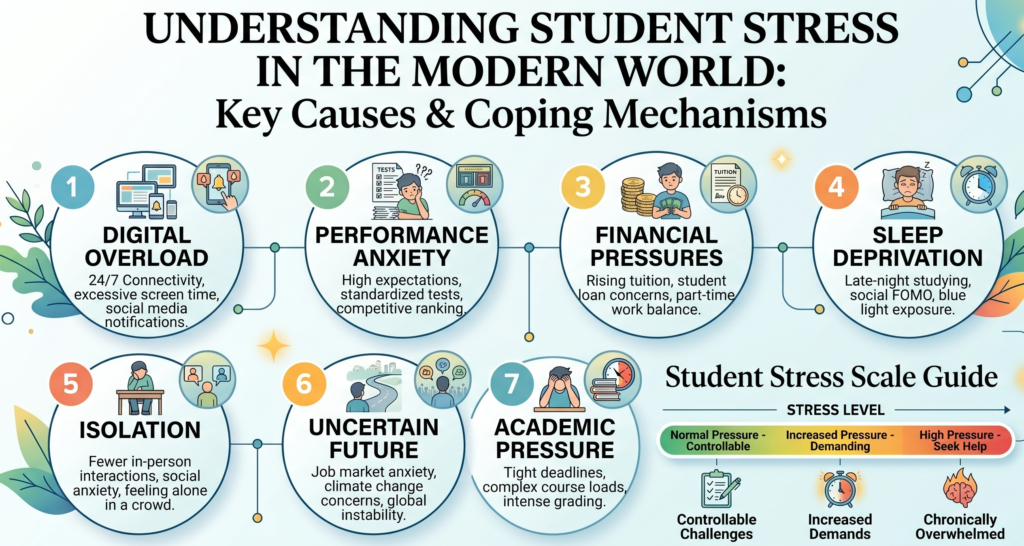
The phrase student student stress may sound repetitive, but it reflects a reality where stress has become deeply embedded in student life. Students today are not only expected to perform academically but also to build a successful future while managing relationships, finances, technology, and personal growth.
Unlike earlier generations, students are constantly connected to information and comparison. Every social media scroll can trigger feelings of inadequacy. A friend gets an internship, another receives a scholarship, and someone else starts a successful online business. These updates create the illusion that everyone is progressing faster.
The result is a constant state of mental alertness. Students feel pressured to study harder, achieve more, and compete continuously. This environment gradually transforms healthy ambition into chronic stress. When stress persists for months or years, it affects concentration, memory, motivation, and emotional stability. Implementing effective Student Stress Management Techniques can help students maintain better mental health, improve academic performance, and achieve a healthier work-life balance.
The Difference Between Healthy Stress and Harmful Stress
Not all stress is negative. Moderate stress can motivate students to prepare for exams, meet deadlines, and perform effectively. Psychologists often call this positive stress “eustress.”
The problem begins when stress becomes constant. Chronic stress activates the body’s stress response repeatedly, leading to sleep disturbances, headaches, digestive issues, and emotional exhaustion. Students experiencing ongoing academic pressure often report feeling trapped in a cycle where they cannot relax even during vacations.
Understanding this distinction is important because effective student stress management techniques does not mean eliminating all stress. It means developing healthy ways to cope with challenges while protecting physical and mental well-being.
College Student Stress Statistics in 2026 : Student Stress Management Techniques
Global Trends in Student Mental Health
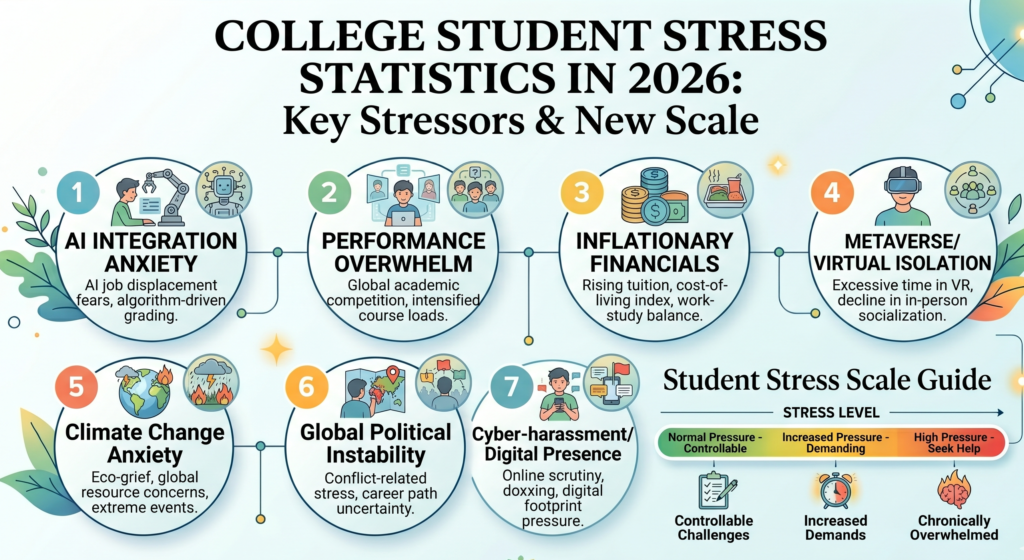
Current college student stress statistics reveal a concerning picture. According to the 2024–2025 Healthy Minds Study involving over 84,000 students across 135 colleges and universities, mental health challenges remain widespread among college populations. Severe depression symptoms affected approximately 18% of students, while suicidal ideation affected around 11%.
Another survey involving more than 5,000 undergraduate students reported that only 27% considered their mental health above average or excellent, while 29% rated it below average or poor.Student Stress Management Techniques are not just helpful during examinations; they are lifelong skills that support emotional resilience and personal growth.
Academic Pressure and Well-Being Data
Academic stress continues to be one of the strongest predictors of student distress. Research published in 2025 found that academic stressors significantly contributed to negative thoughts, sleep disturbances, physical exhaustion, and irritability among university students.
| Student Stress Indicator | Recent Findings |
|---|---|
| Students rating mental health below average or poor | 29% |
| Students reporting extreme stress about mental health | 40% |
| Severe depression symptoms | 18% |
| Suicidal thoughts | 11% |
| Students considering dropping out due to mental health issues | Significantly higher among distressed students |
These numbers demonstrate why college student stress management strategies have become essential rather than optional.Student Stress Management Techniques are not just helpful during examinations; they are lifelong skills that support emotional resilience and personal growth.
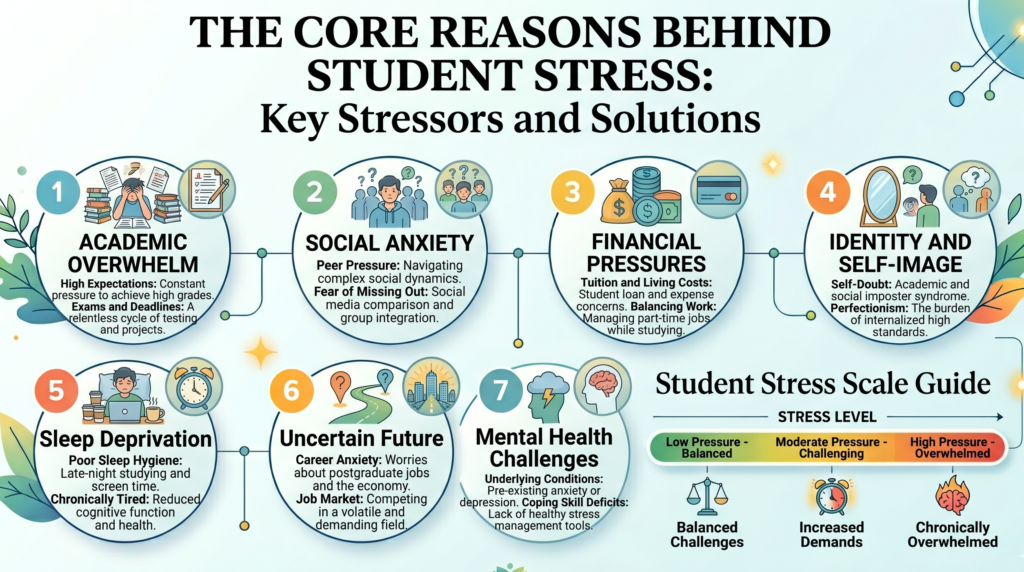
The Core Reasons Behind Student Stress : Student Stress Management Techniques
Exam Pressure and Academic Expectations
One of the biggest causes of student stress exam pressure is the educational system’s heavy focus on performance metrics. Students often feel that their entire future depends on a few examinations.
Exam nightmares are common. Many students spend sleepless nights memorizing information, worrying about forgetting important concepts, or imagining worst-case scenarios. This constant mental rehearsal keeps the brain in a state of hypervigilance.
Result day creates another layer of anxiety. Students fear not only personal disappointment but also judgment from family members, relatives, and peers. Marks often become incorrectly associated with intelligence, self-worth, and future success.
Career Anxiety and Future Uncertainty
For college students, career decisions create enormous stress. Questions such as “What if I choose the wrong profession?” or “Will I get a job after graduation?” dominate their thinking.
Economic uncertainty and changing job markets add additional pressure. Students worry whether their education will provide adequate opportunities. This fear often leads to overworking, burnout, and decision paralysis.
Financial Stress Among Students
Education costs continue to rise globally. Many students depend on loans, scholarships, or family support. Financial uncertainty creates persistent anxiety that extends beyond academics.
Students increasingly feel pressure to become financially independent at younger ages. They worry about supporting their families, repaying debts, and building stable careers immediately after graduation.
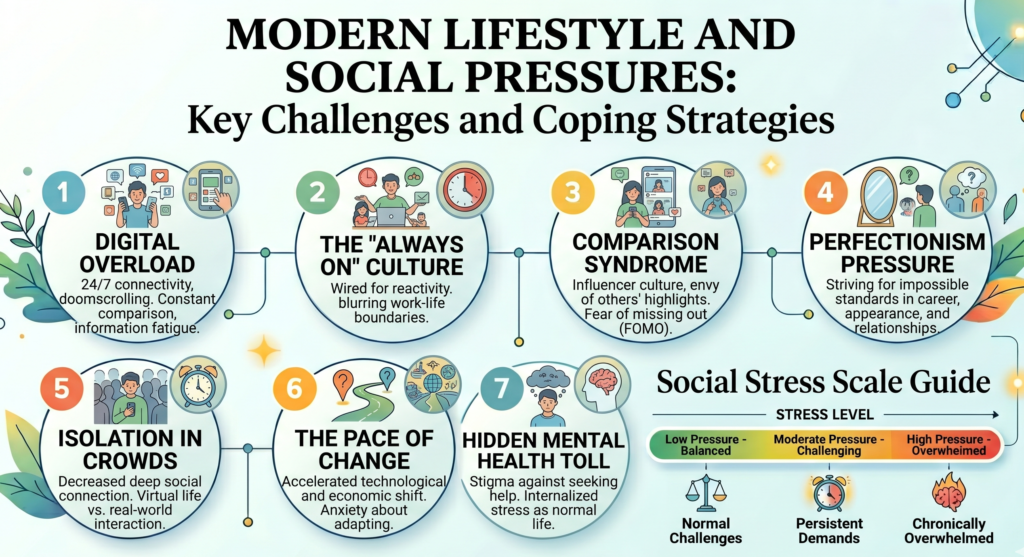
Modern Lifestyle and Social Pressures : Student Stress Management Techniques
Social Media and Lifestyle Comparison
The digital age has transformed how students perceive success. Social media platforms showcase carefully curated highlights rather than real life.
Students constantly encounter images of luxury lifestyles, international travel, entrepreneurial success, and academic achievements. Comparing their everyday reality to these highlights creates dissatisfaction and insecurity.
This phenomenon significantly contributes to school student stress and college-related anxiety. Students begin believing they are failing when they are simply experiencing normal challenges.
Peer Pressure and Competition
Comparison is often called the thief of joy, and nowhere is this more evident than in student life.
Whether it is grades, internships, relationships, gadgets, or social popularity, students frequently measure themselves against others. This competitive environment creates feelings of inadequacy even among high achievers.
When parents reinforce these comparisons by highlighting others’ accomplishments, the emotional burden becomes even heavier.
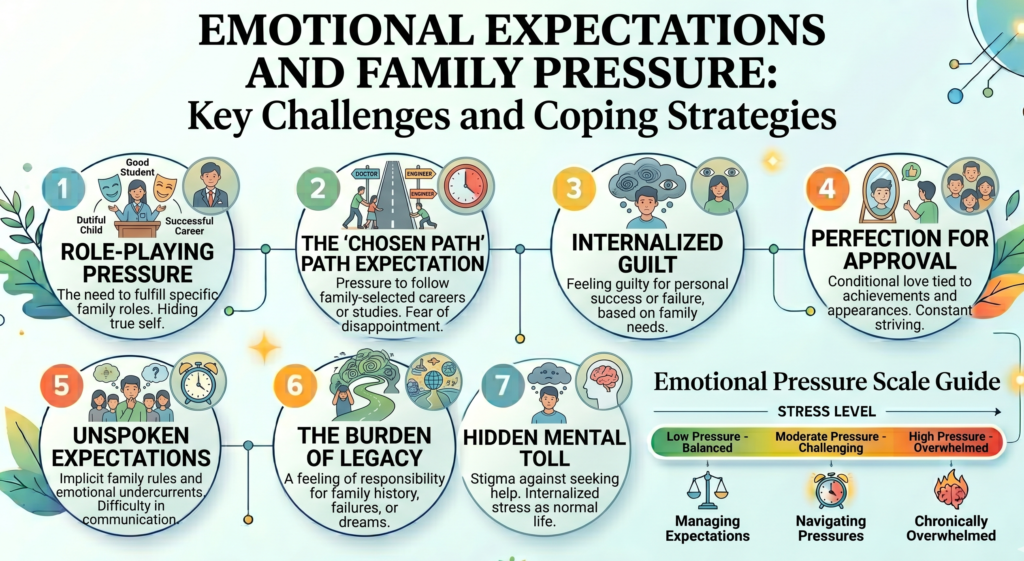
Emotional Expectations and Family Pressure : Student Stress Management Techniques
Family Conflicts and Emotional Burden
Home should ideally provide safety and emotional support. Unfortunately, many students face family challenges including financial struggles, parental conflicts, or unstable environments.
These issues create internal stress that directly affects academic performance. Students often feel responsible for problems beyond their control, leading to guilt and helplessness.
Because they fear judgment or misunderstanding, many students keep these struggles hidden, increasing emotional isolation.
Making Parents Proud vs Personal Dreams
Many students genuinely want to make their parents proud. This desire comes from love and gratitude, but it can evolve into overwhelming pressure.
The fear of disappointing parents often pushes students toward careers they do not enjoy. A student passionate about art may feel compelled to pursue medicine or engineering to meet family expectations.
This internal conflict creates emotional exhaustion because students feel trapped between personal happiness and family approval.
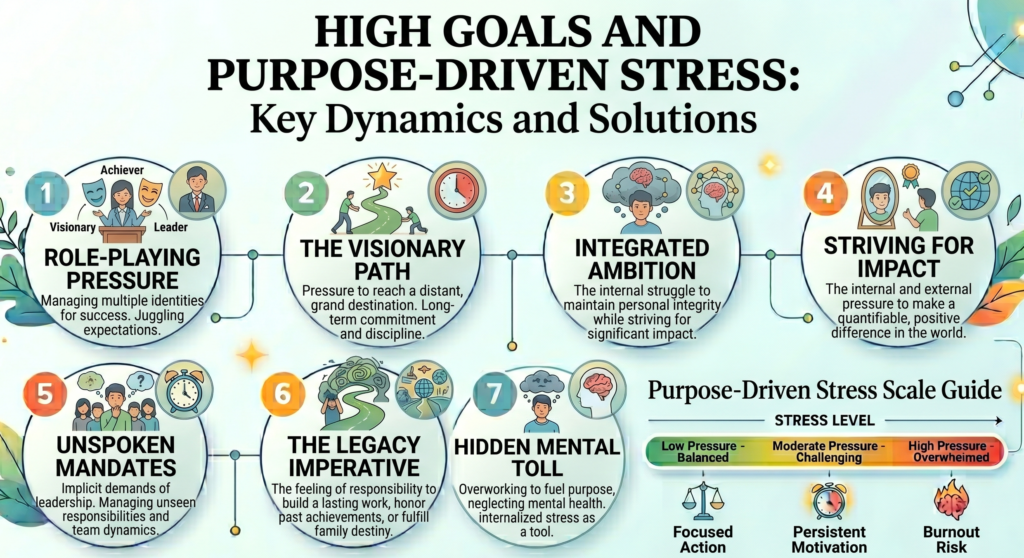
High Goals and Purpose-Driven Stress : Student Stress Management Techniques
Desire to Contribute to Society
Many young people today want to create meaningful change. They dream of solving social problems, developing innovations, or serving their communities.
These aspirations are admirable, but they can also become sources of stress. Students sometimes become frustrated when progress feels slow or opportunities seem limited.
The gap between ambitious goals and current circumstances often generates anxiety about whether they are doing enough.
Financial Security and Helping Others
Many students hope to achieve financial stability so they can support loved ones and contribute to charitable causes.
Ironically, this noble intention sometimes increases stress. Students begin feeling that they must achieve financial success quickly, creating unrealistic expectations and additional pressure.
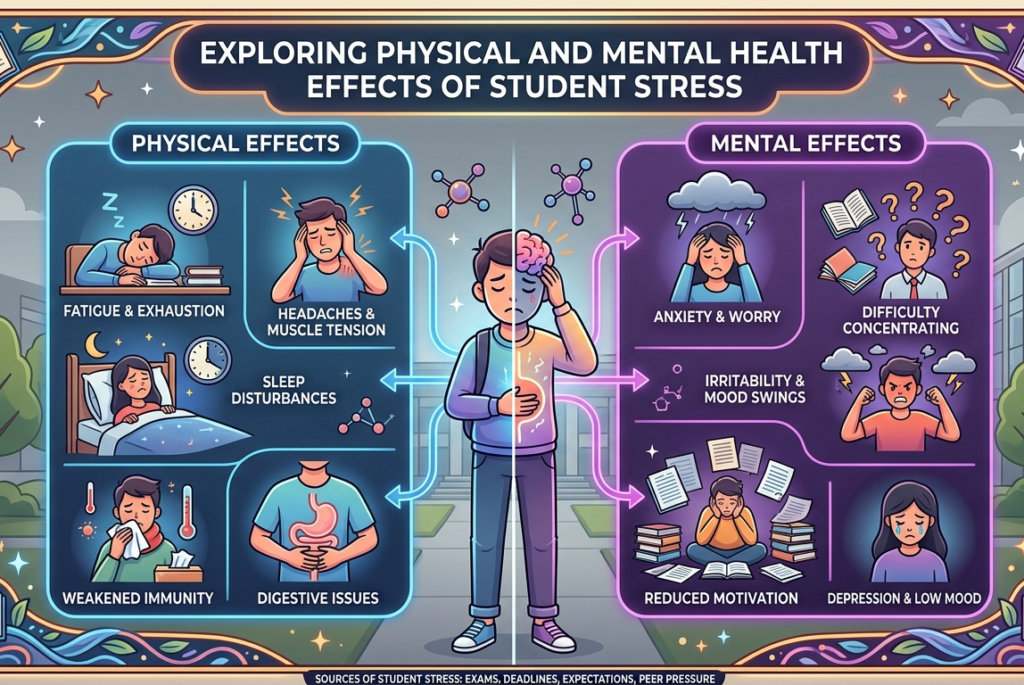
Physical and Mental Health Effects of Student Stress : Student Stress Management Techniques
Student Stress Headache and Other Physical Symptoms
Stress affects the body as much as the mind. One of the most common complaints is the student stress headache, particularly during examination periods.
Many students experience:
- Frequent headaches
- Neck and shoulder tension
- Sleep disorders
- Digestive problems
- Chronic fatigue
- Reduced immunity
A student stress headache studying often occurs after prolonged periods of concentration combined with inadequate sleep and hydration. Students frequently ignore these warning signs until symptoms become severe.
Anxiety, Depression, and Burnout
The psychological effects can be even more damaging. Long-term stress increases the risk of anxiety disorders, depression, panic attacks, and burnout.
Students experiencing burnout often feel emotionally exhausted, detached from studies, and unable to maintain motivation. They may withdraw from social activities and lose interest in previously enjoyable experiences.
Mental health challenges should never be viewed as weaknesses. They are legitimate health concerns that deserve attention and support.
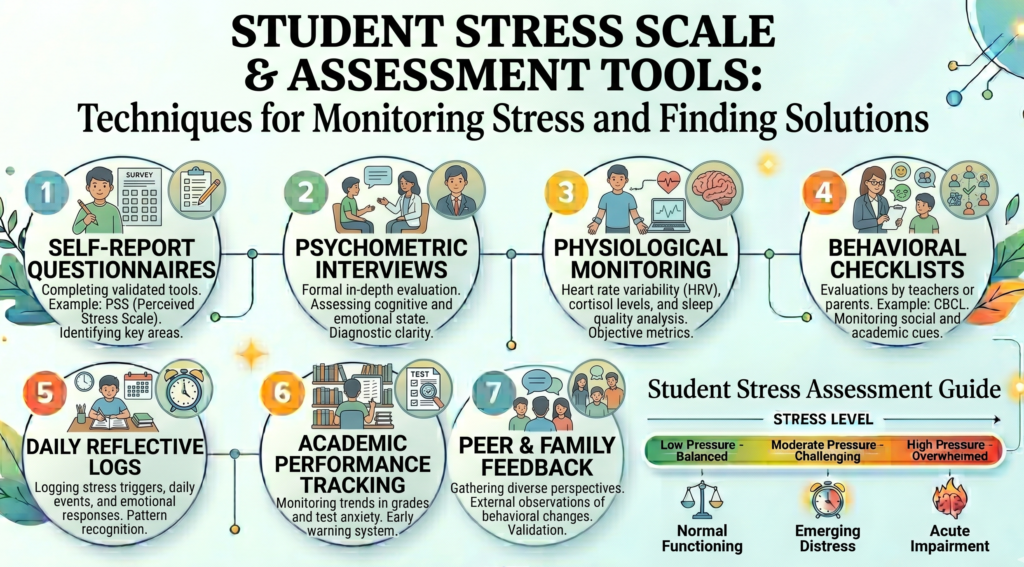
Student Stress Scale and Assessment Tools : Student Stress Management Techniques
Student Stress Scale Introduction
A student stress scale introduction typically explains how stress assessment tools help identify emotional and psychological strain among students. These scales provide measurable ways to evaluate stress levels and determine whether intervention may be necessary.
Educational institutions increasingly use stress assessment tools to monitor student well-being and develop targeted support programs.
Student Stress Scale Questionnaire
A student stress scale questionnaire generally includes questions related to:
- Academic workload
- Sleep quality
- Emotional well-being
- Social relationships
- Financial concerns
- Future career anxiety
Students rate their experiences using numerical scales that indicate frequency or severity.
Student Stress Scale Scoring
Student stress scale scoring involves calculating responses to determine overall stress levels. Higher scores generally indicate greater stress and potential need for support.
Although scoring methods vary depending on the assessment tool, most categorize stress into low, moderate, and high-risk ranges.
Student Academic Stress Scale (SASS) Questionnaire PDF Free Download
Many researchers and institutions use the Student Academic Stress Scale (SASS) to assess academic-related stress. Those searching for a student academic stress scale (SASS) questionnaire PDF free download should obtain materials directly from the original publishers, educational institutions, or research authors to ensure validity and proper usage.
Using standardized questionnaires helps researchers and counselors identify trends and implement evidence-based interventions.
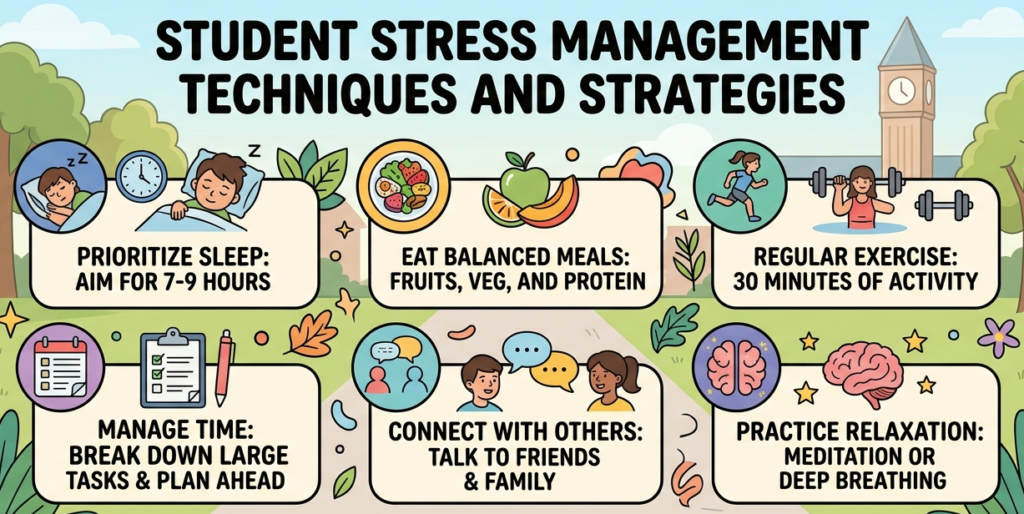
College Student Stress Management Techniques and Strategies
Effective college student stress management techniques focus on practical, sustainable habits rather than quick fixes.
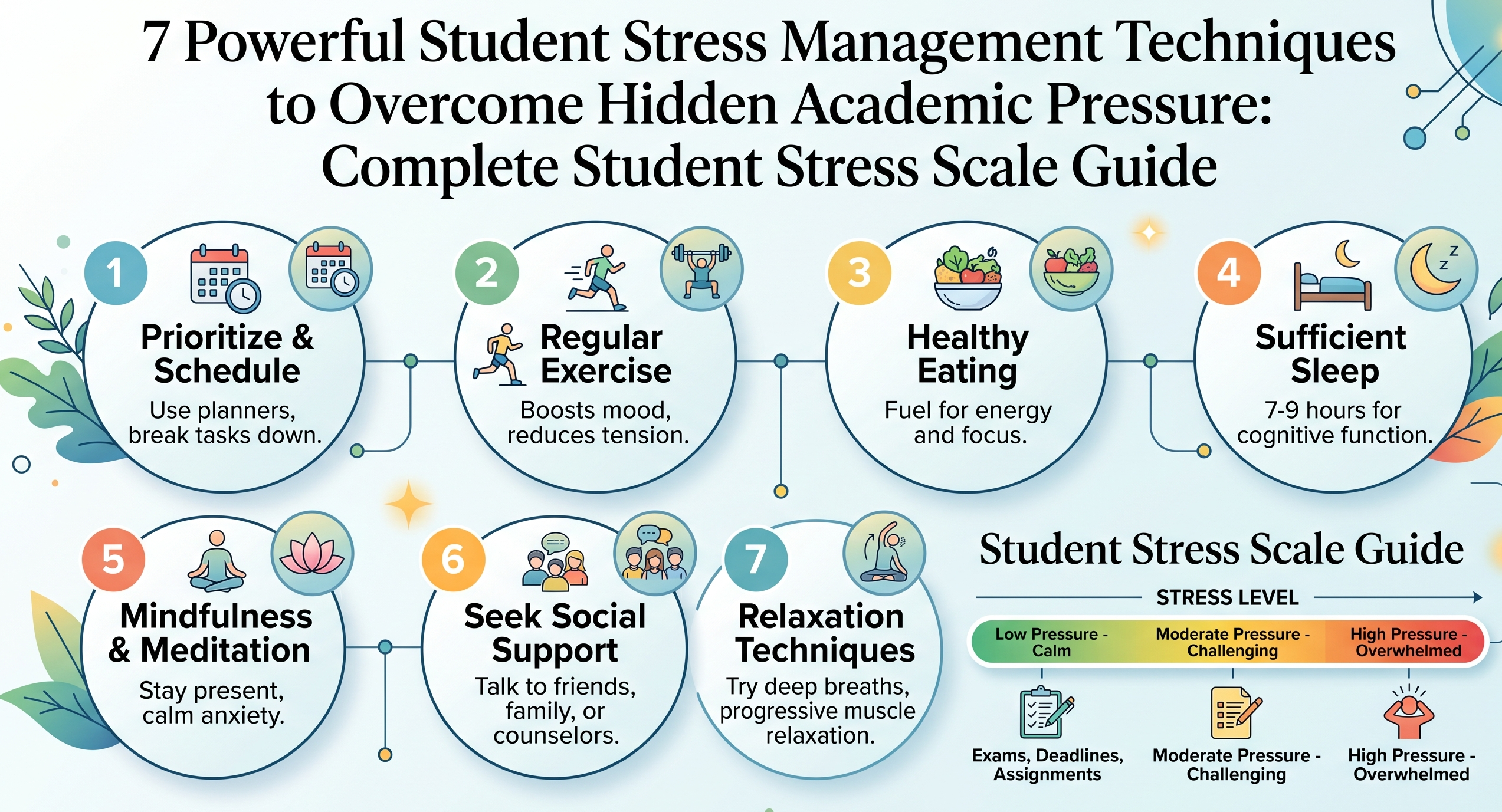
1. Time Management and Prioritization
Most stress comes from feeling overwhelmed. Breaking large goals into smaller tasks creates momentum and reduces anxiety.
Instead of saying, “I must finish everything today,” focus on completing one manageable step at a time.
Implementing effective Student Stress Management Techniques can help students reduce anxiety, improve academic performance, and maintain both mental and physical well-being throughout their educational journey.
2. Physical Activity
Exercise remains one of the most effective student stress management techniques. Physical activity releases endorphins, improves mood, and reduces stress hormones.
Even a 20-minute walk can significantly improve mental clarity.
Simple Student Stress Management Techniques, including time management, regular exercise, and mindfulness practices, can make a substantial difference in a student’s life.
3. Quality Sleep
Sleep is often sacrificed during exam periods, yet it is essential for memory, concentration, and emotional regulation.
Students should aim for consistent sleep schedules whenever possible.
4. Healthy Communication
One of the most overlooked college student stress management tips is simply talking to someone.
Sharing concerns with trusted friends, family members, mentors, or counselors reduces emotional burden and provides perspective.
5. Limiting Social Media Exposure
Reducing screen time helps minimize comparison and information overload.
Taking regular breaks from social media allows students to reconnect with real-life experiences and personal goals.
6. Mindfulness and Relaxation Techniques
Deep breathing exercises, meditation, journaling, and mindfulness practices help calm the nervous system.
These methods improve emotional resilience and reduce the intensity of stress responses.
7. Seeking Professional Support
Students experiencing persistent anxiety, depression, or overwhelming stress should seek professional guidance.
Counselors, psychologists, and mental health professionals can provide evidence-based strategies tailored to individual needs.
Every student should explore Student Stress Management Techniques to build resilience, improve productivity, and maintain a positive outlook during challenging times.
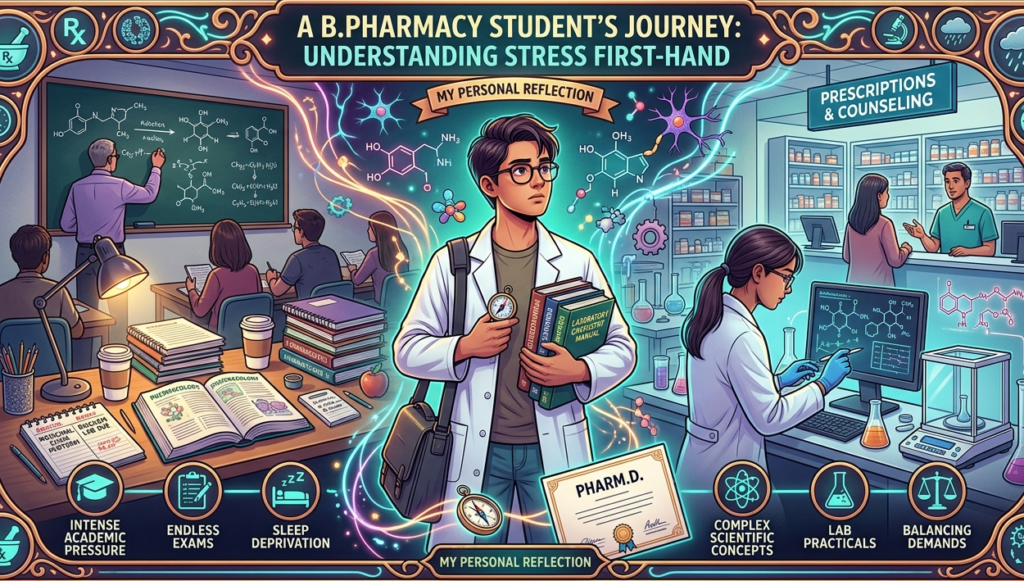
My Personal Experience as a B.Pharmacy Student: Understanding Student Stress First-Hand
As a B.Pharmacy student, I have personally experienced how overwhelming academic pressure can become. Unlike many courses where students primarily focus on theory examinations, pharmacy students often have to balance lectures, practical laboratory sessions, assignments, project work, seminars, and exam preparation simultaneously. During my early semesters, I often felt that there were not enough hours in a day to complete everything that was expected of me.
One period that particularly stands out was during semester examinations when multiple practical records, viva examinations, and theory exams were scheduled within a short timeframe. I frequently stayed awake late at night trying to complete laboratory journals while also revising pharmacology and pharmaceutical chemistry topics. This routine eventually led to poor sleep, frequent headaches, and difficulty concentrating during lectures. Looking back, I now recognize these symptoms as common manifestations of academic stress.
What helped me recover was adopting simple yet effective Student Stress Management Techniques. I started creating a realistic study timetable, dividing large topics into smaller daily goals, and taking short breaks between study sessions. I also reduced unnecessary social media usage and began spending time walking outdoors after classes. These small changes significantly improved my focus, energy levels, and confidence.
My experience taught me an important lesson: stress is not a sign of weakness. Every student experiences it at some point. The key is learning how to manage stress before it starts affecting your physical health, academic performance, and overall happiness.
Every student should explore Student Stress Management Techniques to build resilience, improve productivity, and maintain a positive outlook during challenging times.
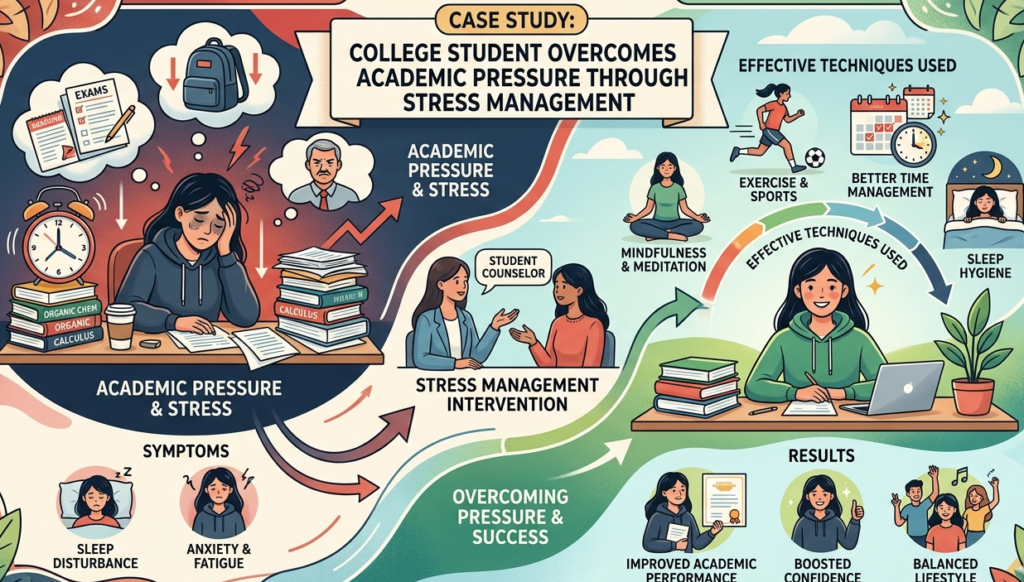
Case Study: How Student Stress Management Techniques Helped a College Student Overcome Academic Pressure
Background
Rahul (name changed for privacy), a 21-year-old college student, sought counseling during his final academic year. He reported experiencing severe anxiety related to examinations, career uncertainty, and family expectations. His symptoms included frequent headaches, difficulty sleeping, irritability, lack of motivation, and poor concentration during study sessions.
Challenges Faced
Rahul’s stress stemmed from multiple factors:
- Fear of poor examination performance
- Pressure to secure a job immediately after graduation
- Constant comparison with high-performing classmates
- Excessive social media use
- Lack of proper sleep and exercise
As a result, his academic performance began to decline despite spending more hours studying.
Intervention
A structured stress management plan was developed using evidence-based Student Stress Management Techniques:
- Creating a weekly study schedule with realistic goals.
- Following the Pomodoro study method with regular breaks.
- Practicing deep breathing exercises for 10 minutes daily.
- Limiting social media usage to one hour per day.
- Maintaining a consistent sleep schedule.
- Participating in physical exercise three times per week.
- Seeking regular support from a faculty mentor.
Outcome
After eight weeks, Rahul reported significant improvements. His headaches became less frequent, sleep quality improved, and he felt more confident approaching examinations. His concentration increased, and he achieved better academic results without increasing study hours. Most importantly, he developed healthier coping mechanisms that continued benefiting him beyond graduation.
Key Takeaway
This case study demonstrates that effective Student Stress Management Techniques do not require drastic life changes. Small, consistent habits can substantially reduce stress levels and improve both academic performance and mental well-being.

Conclusion
Student life remains one of the most transformative phases of human development, but it has also become one of the most stressful. From academic competition and career uncertainty to financial worries and social comparison, today’s students face challenges that extend far beyond the classroom.
The reality is that college student stress is not a sign of weakness. It is often a natural response to demanding environments and high expectations. The key lies in recognizing stress early, understanding its causes, and implementing effective college student stress management techniques or college student stress management strategies before it affects health and well-being.
Remember this important truth: your grades, degree, or exam results do not define your value as a person. Success is not measured by a scorecard alone. It is built through resilience, learning, growth, kindness, and the courage to keep moving forward despite difficulties.
You are far more than your marks. Take care of your health, ask for support when needed, and give yourself permission to grow at your own pace.

FAQs
1. What is the biggest cause of college student stress?
Academic pressure, career uncertainty, financial concerns, and social comparison are among the leading causes of college student stress.
2. How can students reduce stress quickly?
Deep breathing, short walks, talking to a trusted person, and taking breaks from social media can help reduce stress in the short term.
3. What is a student stress headache?
A student stress headache is a tension-related headache triggered by prolonged stress, lack of sleep, excessive studying, or anxiety.
4. What is the Student Academic Stress Scale (SASS)?
The Student Academic Stress Scale (SASS) is an assessment tool used to measure academic stress levels among students in educational settings.
5. Why is student stress management important?
Effective student stress management improves mental health, academic performance, physical well-being, emotional resilience, and overall quality of life.