
Table of Contents
Drug interactions are one of the biggest hidden dangers in healthcare. A patient may take two perfectly safe medications individually, but when combined, the results can become dangerous, unpredictable, or even life-threatening. This is why understanding the top 10 most common drug interactions is one of the most important responsibilities for pharmacists, PharmD students, nurses, and healthcare professionals.
Every day in community pharmacies and hospitals, pharmacists identify prescriptions that could potentially harm patients because of unnoticed interactions. Some interactions reduce the effectiveness of medicines, while others increase toxicity, cause organ damage, or trigger severe adverse effects. In many cases, early detection by pharmacists prevents hospitalization and saves lives.
As a PharmD student, I personally experienced how critical this knowledge becomes during clinical rotations. One memorable case involved an elderly diabetic patient who was prescribed clarithromycin alongside simvastatin. At first glance, the medications looked routine. However, after reviewing the patient’s profile, we identified a major interaction that could increase the risk of rhabdomyolysis and severe muscle toxicity. The prescription was immediately discussed with the physician, and the therapy was modified before harm occurred. That moment clearly showed how pharmacists act as the last safety checkpoint before medications reach patients.
Today, with polypharmacy increasing worldwide, especially among elderly patients, awareness of common drug interactions list, top 10 most common drug interactions, drug-drug interaction examples, and pharmacy common drug interactions chart has become essential rather than optional.
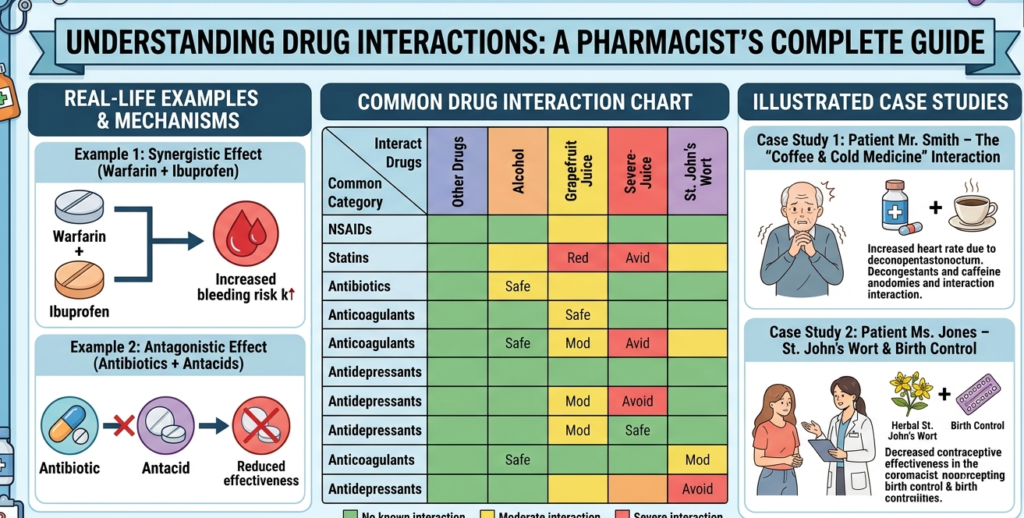
Understanding Drug Interactions : Top 10 Most Common Drug Interactions
What Are Drug Interactions?
Drug interactions occur when one substance changes the effect of another substance inside the body. These substances can include prescription medications, over-the-counter drugs, herbal supplements, vitamins, food, alcohol, or even certain diseases. Some interactions are mild and clinically insignificant, while others can become fatal if not identified quickly.
Think of the human body as a busy highway system. Every drug follows a route involving absorption, distribution, metabolism, and excretion. When two medications attempt to use the same pathway simultaneously, traffic jams occur. One drug may increase the concentration of another, decrease effectiveness, or intensify side effects. This is exactly how common drug interactions examples develop in clinical practice.
The rise in chronic diseases such as hypertension, diabetes, cardiovascular disorders, and mental health conditions has significantly increased polypharmacy. Many elderly patients take five to ten medications daily. Each additional medication increases the possibility of interactions exponentially. According to recent healthcare reports, adverse drug interactions contribute to millions of emergency visits worldwide every year.
Pharmacists play an irreplaceable role here. Unlike physicians who diagnose diseases, pharmacists specialize in understanding how drugs behave together. They review prescriptions, evaluate patient history, analyze laboratory reports, and counsel patients regarding safe medication use. This makes knowledge of common drug-drug interactions list absolutely essential in pharmacy practice.
Why Pharmacists Must Detect Interactions Early
A pharmacist often becomes the final healthcare professional to review a prescription before the medication reaches the patient. That responsibility carries enormous weight. Missing a severe interaction could result in bleeding, organ failure, arrhythmias, seizures, or death.
In community pharmacy settings, patients frequently purchase OTC medications without realizing the risks. For example, a patient taking warfarin may casually buy ibuprofen for headache relief. Unfortunately, combining these medicines significantly increases bleeding risk. Without pharmacist intervention, serious gastrointestinal bleeding may occur.
During my PharmD ward rotation, I observed another striking case involving digoxin and furosemide. The patient experienced dizziness and irregular heartbeat because potassium levels had dropped dramatically. The interaction was indirectly related, but clinically very significant. Monitoring electrolytes and recognizing medication patterns helped prevent further complications.
Modern pharmacists now use sophisticated software and multiple drug interaction checker platforms to identify risks rapidly. Still, technology alone cannot replace clinical judgment. Understanding patient-specific factors such as renal function, age, genetics, liver disease, and lifestyle habits remains crucial for proper decision-making.
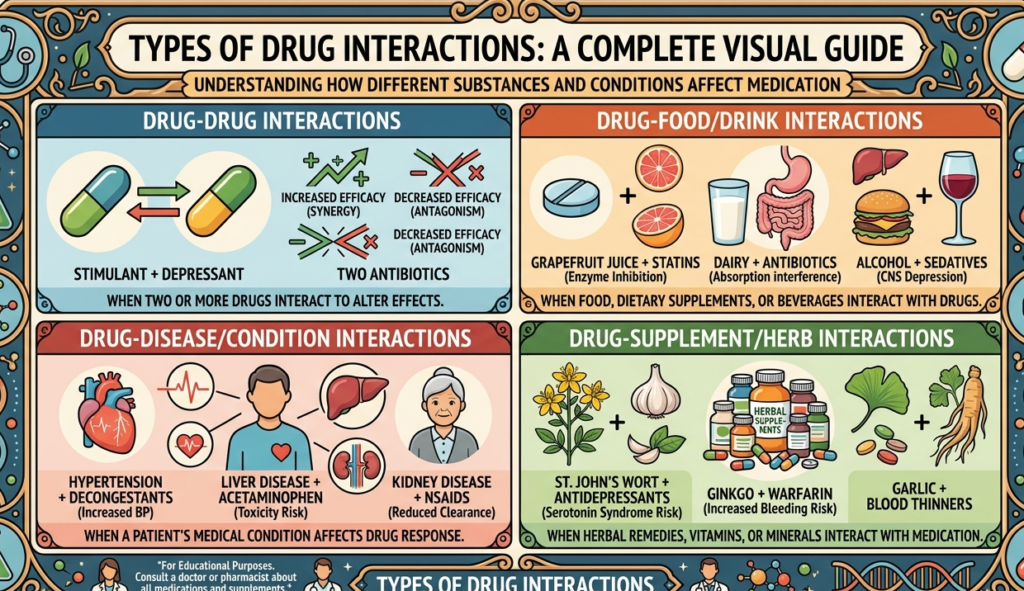
Types of Drug Interactions : Top 10 Most Common Drug Interactions
Drug-Drug Interactions
Drug-drug interactions are the most commonly discussed category in pharmacy education and clinical practice. These occur when one medication affects another medication’s pharmacokinetics or pharmacodynamics.
Pharmacokinetic interactions involve absorption, metabolism, distribution, or elimination changes. Pharmacodynamic interactions occur when two drugs produce additive, synergistic, or antagonistic physiological effects.
One classic example involves warfarin and aspirin. Both drugs affect clotting mechanisms differently, but together they substantially increase bleeding risk. Another example is combining benzodiazepines with opioids, which can dangerously suppress respiratory function.
Drug-Food Interactions
Food can dramatically alter medication absorption and effectiveness. One of the most famous drug-drug interaction examples involving food includes grapefruit juice interacting with statins such as atorvastatin and simvastatin.
Grapefruit inhibits CYP3A4 enzymes in the intestine, increasing drug concentrations in the bloodstream. This raises the risk of toxicity and muscle damage. Dairy products can also interfere with fluoroquinolone antibiotics like ciprofloxacin by reducing absorption through calcium chelation.
Patients often underestimate food interactions because food feels harmless. Pharmacists therefore spend considerable time counseling patients regarding timing of meals and medication administration.
Drug-Disease Interactions
Certain medications worsen existing diseases or become dangerous under specific clinical conditions. For instance, NSAIDs may worsen hypertension, kidney disease, or peptic ulcers. Beta-blockers may aggravate asthma symptoms due to bronchoconstriction.
This type of interaction emphasizes why patient history matters as much as medication review. Safe prescribing requires complete understanding of the patient’s medical condition.
Drug-Supplement Interactions
Herbal supplements are frequently overlooked despite causing serious interactions. St. John’s Wort, for example, induces liver enzymes and reduces effectiveness of oral contraceptives, antidepressants, and HIV medications.
Ginkgo biloba increases bleeding risk when combined with anticoagulants. Many patients fail to disclose supplement use unless specifically asked. Pharmacists therefore must actively inquire about vitamins, herbal remedies, and traditional medicines.
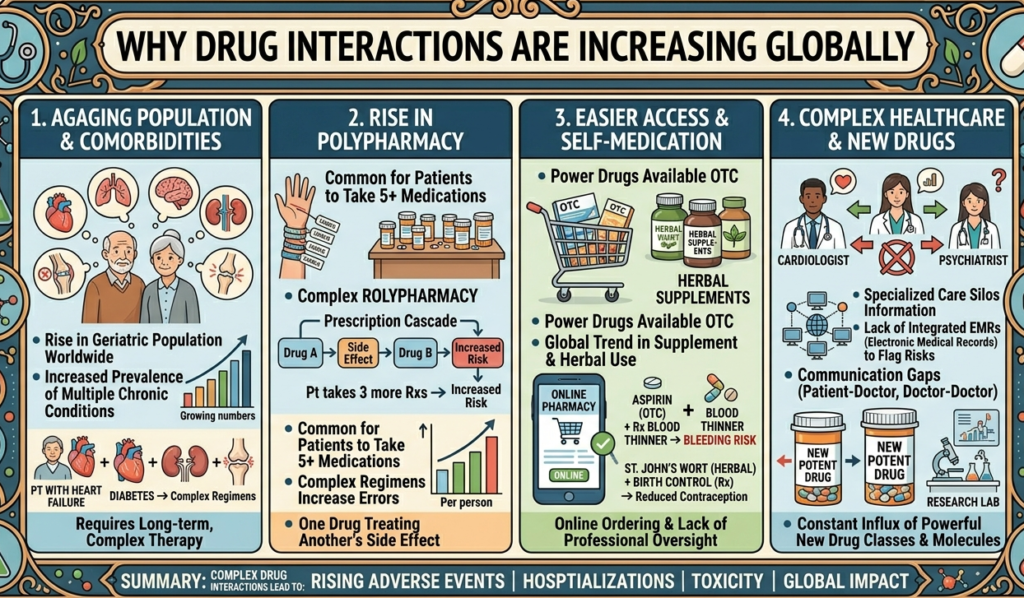
Why Drug Interactions Are Increasing Globally
Polypharmacy and Aging Population
The world’s aging population is one major reason why the top 10 most common drug interactions are becoming more prevalent. Elderly patients often suffer from multiple chronic diseases simultaneously. A single patient may take medications for hypertension, diabetes, cholesterol, arthritis, insomnia, and depression all at once.
Every added medication increases interaction probability. Elderly individuals also metabolize drugs differently because liver and kidney functions decline with age. This increases drug accumulation and toxicity risk.
A simple painkiller prescribed alongside anticoagulants or antihypertensives can trigger dangerous complications. Clinical vigilance becomes especially important in geriatric pharmacy practice.
OTC Medication Misuse
Over-the-counter medicines are widely accessible, but accessibility often creates a false sense of safety. Patients may combine cold medicines, antihistamines, pain relievers, and herbal products without consulting healthcare professionals.
One patient during my internship unknowingly combined paracetamol-containing cold medications with regular acetaminophen tablets. The cumulative dose exceeded safe daily limits and risked liver toxicity. These situations occur more frequently than most people realize.
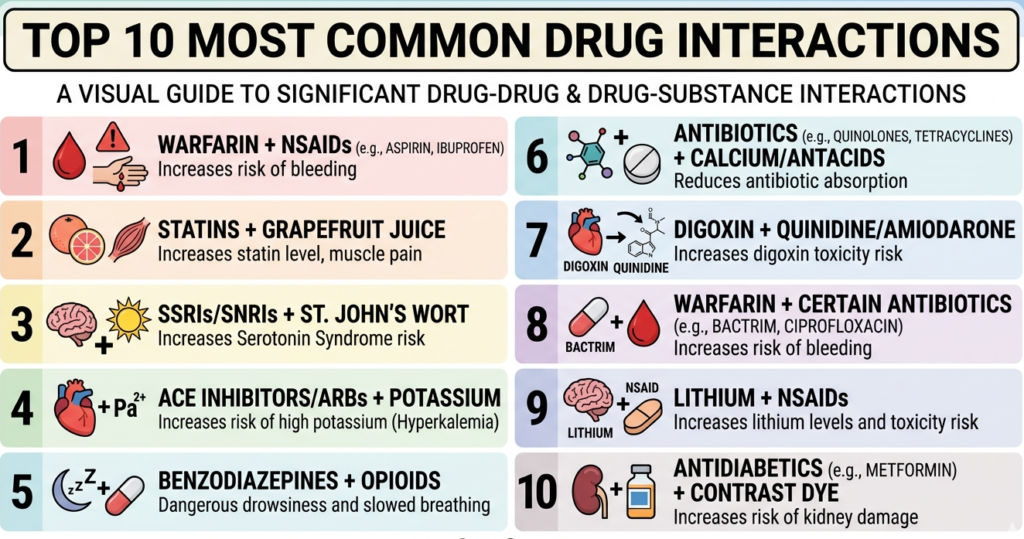
Top 10 Most Common Drug Interactions
Pharmacy Top 10 Common Drug Interactions Chart
| Drug Combination | Interaction Risk | Clinical Outcome |
|---|---|---|
| Warfarin + NSAIDs | Severe | Gastrointestinal bleeding |
| Sildenafil + Nitrates | Severe | Dangerous hypotension |
| ACE Inhibitors + Potassium | Moderate-Severe | Hyperkalemia |
| Statins + Clarithromycin | Severe | Rhabdomyolysis |
| Ciprofloxacin + Dairy | Moderate | Reduced antibiotic absorption |
| Digoxin + Diuretics | Moderate | Arrhythmias |
| SSRIs + MAOIs | Severe | Serotonin syndrome |
| Opioids + Benzodiazepines | Severe | Respiratory depression |
| Metformin + Contrast Dye | Moderate | Lactic acidosis |
| Alcohol + Metronidazole | Moderate | Disulfiram-like reaction |
Warfarin and NSAIDs
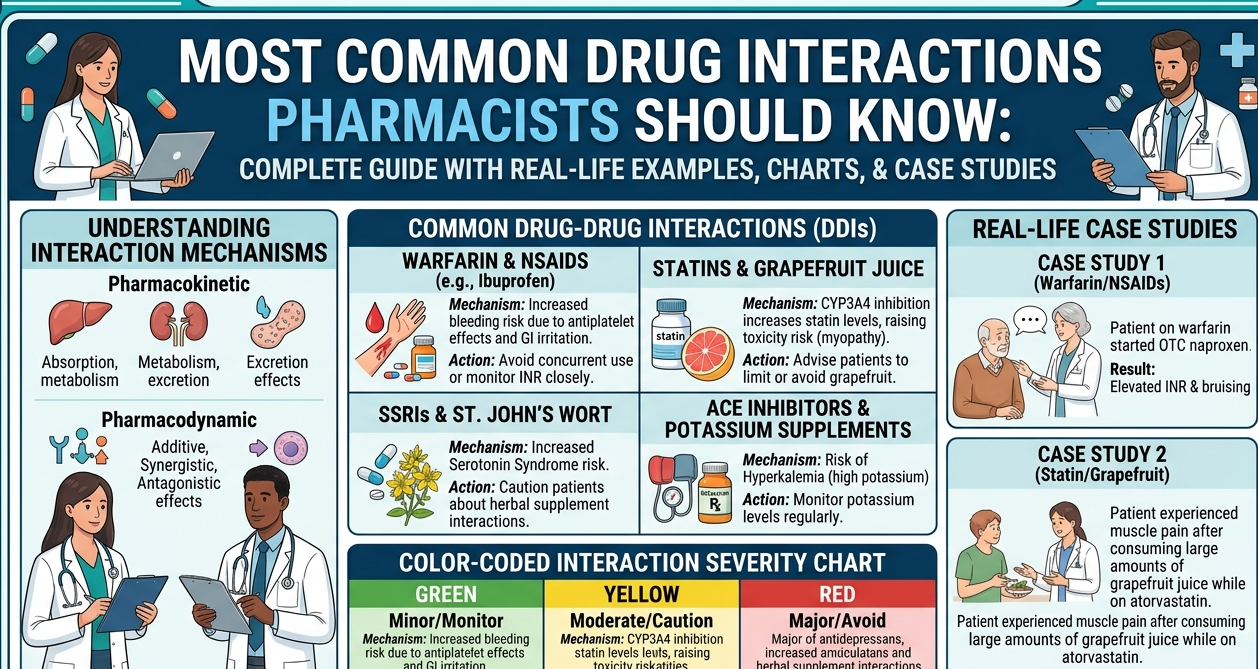
This is one of the top 10 most common drug interactions pharmacists encounter daily. Warfarin prevents clot formation, while NSAIDs such as ibuprofen and naproxen damage gastric mucosa and inhibit platelet aggregation. Together, these effects dramatically increase bleeding risk.
Patients often self-medicate with OTC painkillers without informing healthcare providers. Pharmacists must educate patients taking anticoagulants about safer alternatives such as acetaminophen in limited doses.
ACE Inhibitors and Potassium Supplements
ACE inhibitors like lisinopril can increase potassium levels. Combining them with potassium supplements or potassium-sparing diuretics may result in dangerous hyperkalemia. Severe cases can cause cardiac arrhythmias and sudden death.
Monitoring electrolyte levels is essential, especially in elderly patients and those with renal impairment.
Statins and Macrolide Antibiotics
Clarithromycin and erythromycin inhibit CYP3A4 metabolism, increasing statin levels in blood. Elevated statin concentrations raise the risk of muscle toxicity and rhabdomyolysis.
This interaction is among the most important top 10 most common drug interactions in community pharmacy because both medications are prescribed frequently.
Sildenafil and Nitrates
Combining sildenafil with nitrates such as nitroglycerin can produce profound hypotension. Blood pressure may drop suddenly, causing syncope, stroke, or myocardial infarction.
Pharmacists should always verify cardiovascular medication history before dispensing erectile dysfunction treatments.
Ciprofloxacin and Dairy Products
Patients frequently ask: “Can you eat ice cream while taking antibiotics?” The answer depends on the antibiotic. Ciprofloxacin binds calcium in dairy products, reducing absorption and therapeutic effectiveness.
Milk, yogurt, cheese, and calcium-fortified juices should generally be avoided close to dosing time.
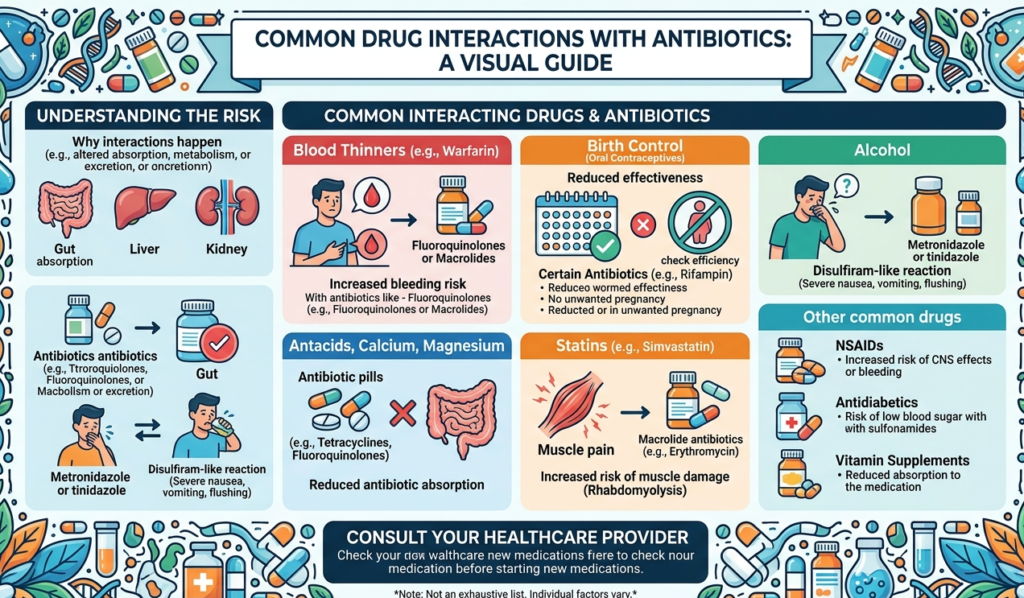
Common Drug Interactions With Antibiotics:Top 10 Most Common Drug Interactions
Fluoroquinolone Interactions
Fluoroquinolones such as ciprofloxacin and levofloxacin are notorious for interactions. Common interacting agents include:
- Antacids
- Dairy products
- Iron supplements
- QT-prolonging medications
- Corticosteroids
- Theophylline
Patients often ask, “What drugs interact with fluoroquinolones?” The answer includes several cardiovascular and neurological medications. QT prolongation becomes especially concerning because it can trigger torsades de pointes.
Macrolide Interactions
Macrolides like erythromycin and clarithromycin inhibit liver enzymes responsible for drug metabolism. This increases blood concentrations of statins, calcium channel blockers, and anticoagulants.
One hospitalized patient I observed developed severe hypotension after receiving clarithromycin alongside amlodipine. The interaction intensified calcium channel blocker effects dramatically.
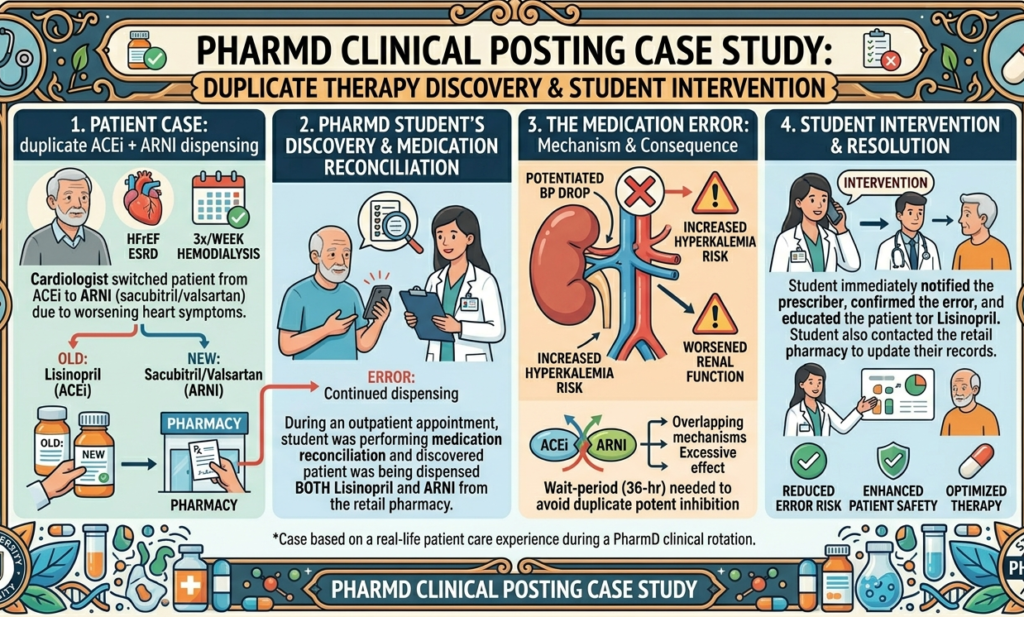
Real-Life Case Study From PharmD Clinical Posting
During my PharmD clinical rotation in internal medicine, we encountered a 68-year-old diabetic patient admitted for muscle weakness and dark urine. His medication history included simvastatin for cholesterol management. Two days earlier, he had started clarithromycin for respiratory infection.
Laboratory investigations revealed markedly elevated creatine kinase levels indicating rhabdomyolysis. The interaction between clarithromycin and simvastatin inhibited statin metabolism, causing toxic accumulation.
The physician immediately discontinued both medications and initiated supportive therapy. Fortunately, early intervention prevented acute kidney injury. This case deeply reinforced the importance of medication review and pharmacist involvement in clinical teams.
Cases like these explain why pharmacists must memorize top 10 most common drug interactions chart information rather than relying entirely on software alerts.
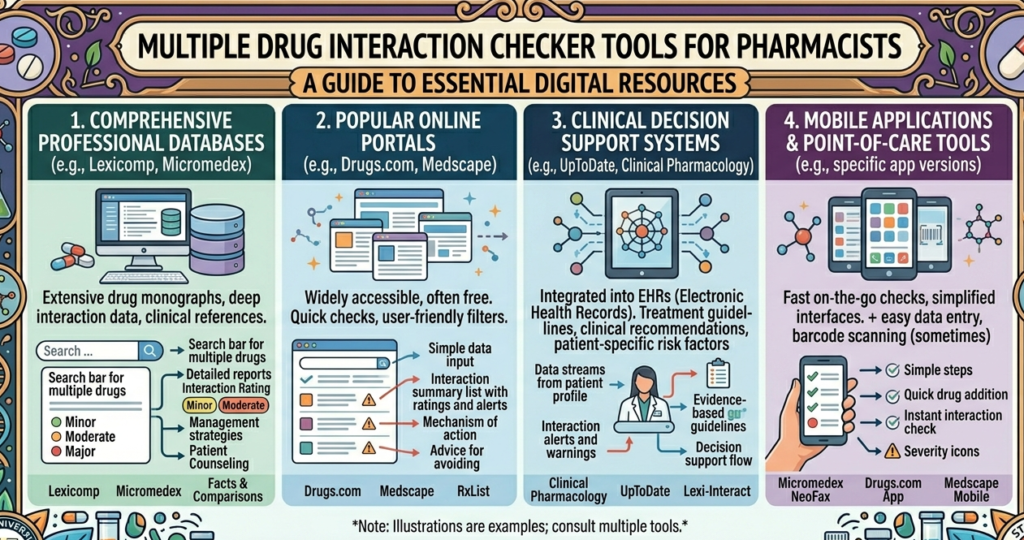
Multiple Drug Interaction Checker Tools: Top 10 Most Common Drug Interactions
Modern pharmacy practice heavily depends on interaction checker software. Popular platforms include:
| Tool | Main Features |
|---|---|
| Lexicomp | Detailed severity ratings |
| Micromedex | Evidence-based interaction analysis |
| Medscape Interaction Checker | Free online accessibility |
| Drugs.com Checker | User-friendly interface |
| Epocrates | Mobile integration |
These tools assist healthcare professionals in rapidly evaluating combinations involving multiple medications. Still, software occasionally produces alert fatigue because of excessive warnings. Pharmacists therefore must apply clinical judgment to distinguish significant interactions from minor ones.
What Are the Four Types of Drug Interactions?
The four major categories include:
- Drug-drug interactions
- Drug-food interactions
- Drug-disease interactions
- Drug-supplement interactions
Understanding these categories helps pharmacists systematically evaluate patient risks during counseling and medication review.
What Are the Top 10 Most Common Drug Interactions Used Drugs?
Some commonly prescribed medications globally include:
| Drug | Common Use |
|---|---|
| Metformin | Diabetes |
| Atorvastatin | Cholesterol |
| Amlodipine | Hypertension |
| Omeprazole | Acid reflux |
| Levothyroxine | Thyroid disorders |
| Losartan | Blood pressure |
| Albuterol | Asthma |
| Sertraline | Depression |
| Aspirin | Cardiovascular prevention |
| Amoxicillin | Bacterial infections |
Because these medicines are frequently prescribed, many also appear in common drug interactions list references.
Most common drug interactions pdf download free
Most common drug interactions pdf
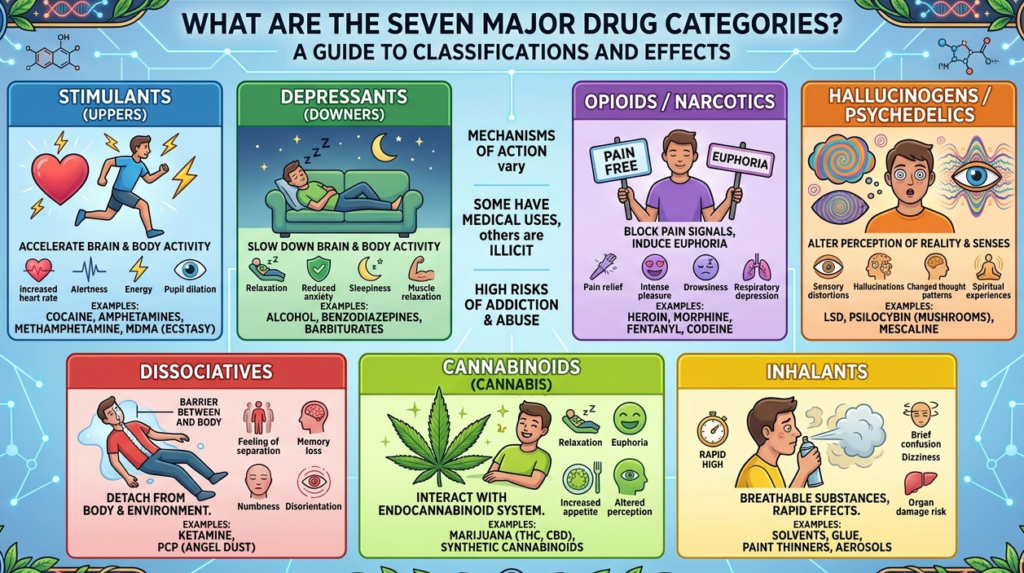
What Are the Seven Major Drug Categories?
The seven broad drug categories often discussed in pharmacology include:
- Analgesics
- Antibiotics
- Antidepressants
- Antihypertensives
- Antidiabetics
- Sedatives
- Anticoagulants
Each category contains medications capable of clinically significant interactions.
Prevention Strategies for Pharmacists
Preventing interactions requires proactive patient care rather than reactive damage control. Pharmacists should:
- Review full medication history
- Assess OTC and herbal use
- Counsel regarding food interactions
- Use updated interaction software
- Monitor laboratory values
- Communicate with prescribers
- Educate patients about warning symptoms
Patient counseling remains incredibly important. A well-informed patient becomes an active partner in medication safety.
People Also Ask
What are 5 drugs that interact with ciprofloxacin?
Five common interacting substances include:
- Antacids
- Warfarin
- Theophylline
- Corticosteroids
- Dairy products
Can you eat ice cream while taking antibiotics?
It depends on the antibiotic. Dairy products can reduce absorption of fluoroquinolones and tetracyclines.
What to eat for breakfast while taking antibiotics?
A light meal without excessive calcium is generally safest unless the medication specifically requires food.
What is the 90-60 rule for antibiotics?
The 90-60 rule suggests susceptible bacteria respond about 90% of the time, while resistant bacteria may still respond around 60% under certain conditions.
Can I drink coffee while on antibiotics?
Some antibiotics interact with caffeine metabolism and may increase nervousness or palpitations.
Is an apple enough to eat with antibiotics?
For many antibiotics, yes. A small non-dairy meal may reduce stomach upset.
What are two drugs that cannot be taken together?
Sildenafil and nitrates represent one of the most dangerous combinations because of severe hypotension risk.
Can I take Cipro and tramadol?
Caution is necessary because both medications may increase seizure risk.
Conclusion
Understanding top 10 most common drug interactions is fundamental to safe pharmacy practice. Pharmacists serve as medication safety guardians who identify dangerous combinations before patients experience harm. From anticoagulants and antibiotics to antidepressants and cardiovascular drugs, interactions occur daily in every healthcare setting.
The increasing complexity of healthcare makes pharmacist expertise more important than ever. Polypharmacy, self-medication, aging populations, and expanding therapeutic options all contribute to rising interaction risks. This is why strong pharmacology knowledge combined with clinical judgment remains essential for every PharmD student and practicing pharmacist.
My own clinical experiences demonstrated that even small interventions can prevent severe adverse outcomes. Reviewing medication charts carefully, asking patients the right questions, and communicating with physicians often makes the difference between recovery and hospitalization.
Drug interactions are not merely theoretical exam topics. They are real-world clinical problems affecting millions of patients globally every day.
FAQs
1. What are the top 10 most common drug interactions pharmacists encounter?
The most frequent interactions include warfarin with NSAIDs, statins with macrolide antibiotics, sildenafil with nitrates, and ciprofloxacin with dairy products.
2. Why are elderly patients more vulnerable to drug interactions?
Elderly patients usually take multiple medications and often have reduced kidney and liver function, increasing toxicity risk.
3. Which antibiotics commonly cause drug interactions?
Fluoroquinolones and macrolides are among the most interaction-prone antibiotics.
4. What is the best multiple drug interaction checker?
Lexicomp, Micromedex, and Medscape are commonly used reliable interaction checker platforms.
5. How can pharmacists reduce drug interaction risks?
By reviewing complete medication histories, counseling patients, monitoring lab values, and using updated interaction databases.