
Table of Contents
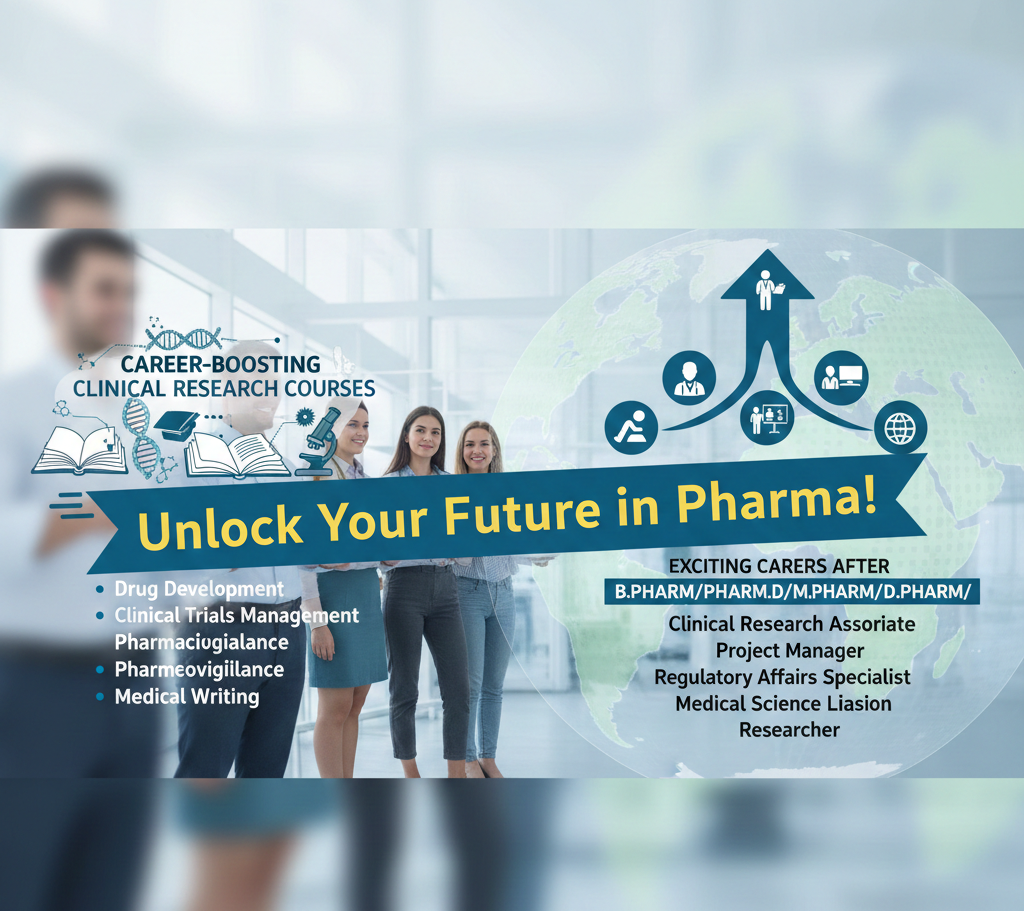
Introduction
What Is Clinical Research and Why Clinical Research Courses Matter ?
Let’s start with the basics—what is clinical research?
Clinical research is the scientific process of evaluating drugs, medical devices, and treatment strategies in human subjects to confirm safety, efficacy, and quality.
Now here’s the game-changer: understanding clinical research alone is not enough. To enter this industry confidently, especially as a fresher, clinical research courses play a critical role. They bridge the gap between academic pharmacy education and industry-ready skills.
This is why clinical research has become one of the most attractive career options for pharmacy graduates today.
Why Clinical Research Courses Are Essential for Freshers
Thousands of pharmacy graduates enter the job market every year. What sets successful candidates apart?
👉 Relevant clinical research certifications.
Benefits of clinical research courses:
- Clear understanding of trial phases and regulations
- Hands-on industry-oriented knowledge
- Higher chance of landing clinical research jobs for freshers
- Faster transition into professional roles
Whether paid or free, learning is your entry ticket.
Clinical Research Courses and Careers After B.Pharm
Entry-Level Jobs After B.Pharm With Clinical Research Courses
After B.Pharm, candidates commonly begin with:
- Clinical research assistant
- Clinical research coordinator
- Drug safety associate
Completing recognized courses improves eligibility for clinical research coordinator jobs and assistant roles.
Career Growth With the Right Clinical Research Certification
B.Pharm graduates who complete a clinical research certification can progress to:
- Clinical research associate jobs
- Senior clinical research coordinator roles
- Trial management positions
Clinical Research Courses and Careers After Pharm.D
Why Pharm.D Graduates Benefit Most From Clinical Research Courses
Pharm.D graduates already possess clinical knowledge. Adding courses converts that knowledge into industry-ready expertise.
Common roles include:
- Clinical research coordinator
- Clinical research nurse jobs
- Site management professionals
Hospitals and CROs actively hire Pharm.D graduates trained through certified clinical research programs.
Clinical Research Courses and Careers After M.Pharm
Advanced Roles With Specialised Clinical Research Courses
M.Pharm graduates can opt for advanced courses aligned to their specialization:
- Pharmacology → clinical research associate jobs
- Clinical pharmacy → medical monitors, CRC roles
- Pharmaceutics → BA/BE studies
With targeted certification, M.Pharm graduates skip basic roles and grow faster.
Clinical Research Courses and Opportunities After D.Pharm
D.Pharm holders often ask if clinical research is possible—yes, absolutely.
Starting roles include:
- Clinical research assistant
- Trial site documentation coordinator
Completing beginner-level courses online free helps D.Pharm candidates enter the field confidently.
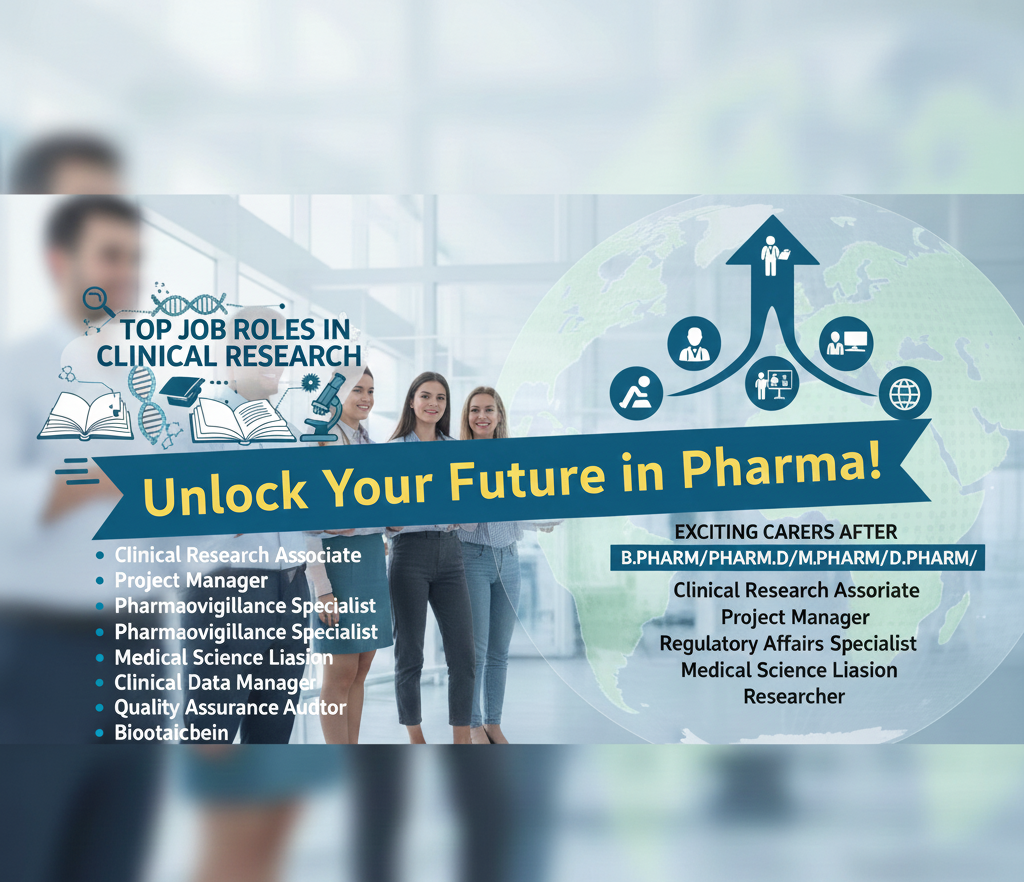
Top Job Roles in Clinical Research After Completing Clinical Research Courses
| Job Role | Who Should Apply |
| Clinical Research Coordinator | Freshers & certified candidates handling site-level trial activities at hospitals or research centers |
| Clinical Research Assistant | Best beginner role; supports documentation, data entry, trial coordination |
| Clinical Research Associate Jobs | Professionals with 1–2 years’ experience, GCP knowledge, and advanced clinical research certification |
| Clinical Research Nurse Jobs | Candidates with patient-handling or clinical background; ideal after site-focused clinical research courses |
Must-Have Skills Along With Clinical Research Courses
Even the best courses work best when combined with:
- Knowledge of GCP
- Documentation accuracy
- Ethical understanding
- Communication skills
Courses build knowledge; practice builds confidence.
Clinical Research Certification: Paid vs Free Options
Paid Clinical Research Courses
Best for long-term career commitment:
1. PG Diploma in Clinical Research
These programs are industry-oriented and widely accepted by CROs and pharma companies:
- Clini India – PG Diploma in Clinical Research
- IIHMR University – PG Diploma in Clinical Research
2. Advanced CRA (Clinical Research Associate) Training
Ideal for those targeting clinical research associate jobs:
- Cliniminds – CRA Training Program
3. Drug Safety / Pharmacovigilance Certifications
Highly recommended for stable, long-term roles:
Free Clinical Research Courses with Certificates
Several platforms offer free courses with certificates covering:
| Course / Platform | What It Covers |
| Essentials of Clinical Research (Alison) | Basic principles of clinical research — roles, ethics, regulations, trial design and data management. |
| ICH E6 and Good Clinical Practice (Alison) | Regulatory guidelines — ICH-GCP standard, ethics, how to conduct compliant clinical trials. |
| Good Clinical Practice – ICH Guidelines E6 R2 (Alison) | More in-depth look into GCP regulations, trial safety, ethics and compliance. |
| Introduction to Clinical Research (The Global Health Network / TGHN) | Core fundamentals: what is clinical research, main study designs, ethics, participant safety — a comprehensive beginner-friendly course. |
| Design and Interpretation of Clinical Trials (Coursera / Johns Hopkins University) | Clinical trial basics: design types, randomization, analysis methods — useful for understanding how trials are planned and interpreted. |
These are ideal stepping stones for beginners.
Clinical Research Courses Online Free: Who Should Take Them?
If you are:
- A student
- A recent graduate
- Exploring career options
Then courses online free are a smart place to start before investing in paid programs.
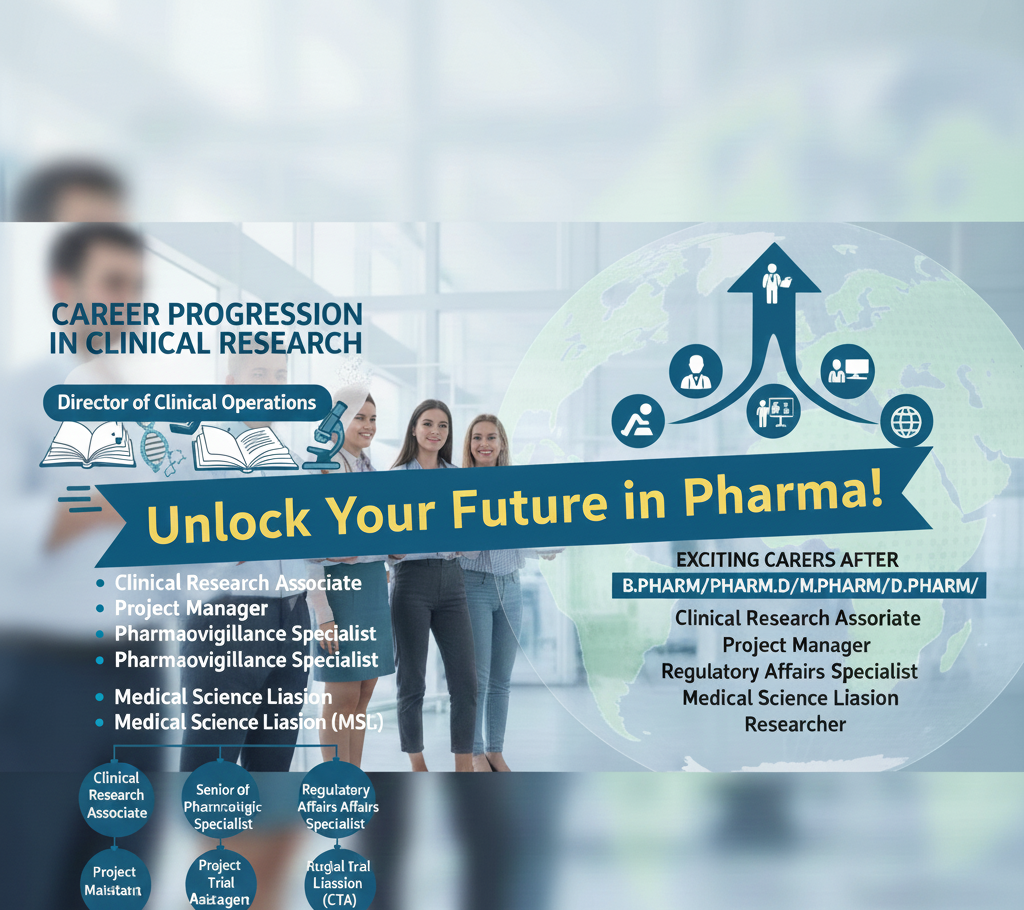
Career Progression After Completing Clinical Research Courses
Typical growth path:
- Clinical research assistant
- Clinical research coordinator
- Clinical research associate
- Project lead / manager
Clinical courses act as accelerators at every stage.
How to Start a Career Using Clinical Research Courses (Step-by-Step)
- Learn what is clinical research
- Enroll in beginner or free clinical research courses
- Complete a recognized clinical research certification
- Apply for clinical research coordinator jobs or assistant roles
- Upskill continuously
Challenges Freshers Face—and How Clinical Research Courses Help
Challenge: No experience
✅ Solution: Entry-level clinical research courses
Challenge: Role confusion
✅ Solution: Practical training modules
Education reduces uncertainty.
Conclusion
Clinical research is one of the most rewarding career paths for pharmacy graduates today—and courses are the foundation of that success. Whether you choose paid certifications or courses online free, learning is your strongest career investment. From clinical research jobs for freshers to advanced clinical research associate jobs, the opportunities expand as your skills grow.
Start learning. Start small. Grow big.

Frequently Asked Questions (FAQs)
1. Are CR courses mandatory to start a career?
Not mandatory, but highly recommended for job readiness.
2. Which CR courses are best for freshers?
Beginner-level certification programs or free clinical research courses with certificates.
3. Can I get a job after free clinical research courses?
Yes, especially entry-level roles like clinical research assistant or coordinator.
4. Are clinical research courses online free reliable?
They are useful for basics but should be supplemented with practical exposure.
5. How long do clinical research courses take?
Duration ranges from a few weeks to 6–12 months, depending on course depth.