

Table of Contents
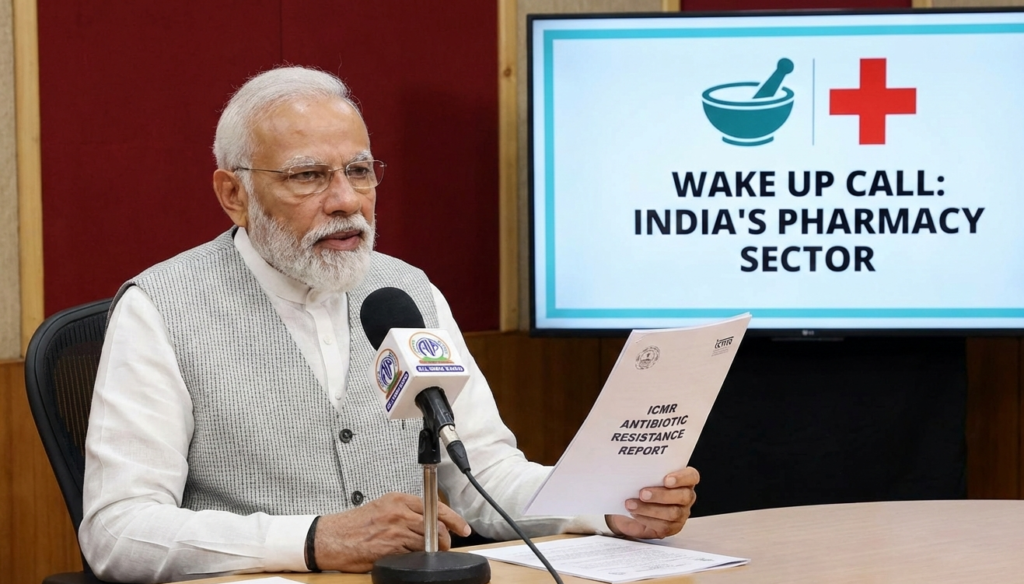
Every once in a while, an episode of Mann Ki Baat does more than inspire—it alarms, educates, and pushes a nation to pause and rethink. When Prime Minister Narendra Modi spoke about antibiotic resistance citing reports from ICMR (Indian Council of Medical Research), it wasn’t just another health mention. It became pharmacy news today in India that pharmacists, doctors, and patients simply cannot ignore.
Antibiotic resistance is no longer a “future problem.” It’s here, it’s growing, and it’s quietly threatening the foundation of modern medicine. Modi ji’s words transformed a scientific concern into daily pharma news today, sparking discussions across hospitals, community pharmacies, and independent pharmacy setups nationwide.
Understanding Antibiotic Resistance in Simple Terms
What Is Antibiotic Resistance?
Imagine antibiotics as keys and bacteria as locks. Over time, bacteria change their locks. Suddenly, the old keys no longer work. That’s antibiotic resistance in the simplest form.
When antibiotics are misused—taken without prescription, stopped midway, or used unnecessarily—bacteria learn to survive. These “superbugs” then spread, making infections harder, costlier, and sometimes impossible to treat.
Why India Is at High Risk-Pharmacy News Today in India
India carries a double burden:
- High infection rates
- Easy availability of antibiotics
This combination fuels resistance. That’s why latest pharma news today in India often highlights rising cases of drug-resistant TB, typhoid, and hospital-acquired infections.
ICMR’s Role in Tracking Antibiotic Resistance
What Is ICMR?
The Indian Council of Medical Research is India’s apex body for biomedical research. It monitors disease trends, conducts surveillance, and advises the government on public health priorities.
When ICMR speaks, the healthcare ecosystem listens.
Key Findings From ICMR Surveillance
According to ICMR-backed data:
- Resistance to commonly used antibiotics is increasing
- Last-resort antibiotics are losing effectiveness
- Misuse at the community level is a major contributor
These findings now dominate latest pharmacy news and pharmacy news update discussions.

Modi Ji’s Message on Mann Ki Baat
Key Takeaways From the Address
Modi ji emphasized:
- Antibiotics should not be taken casually
- Self-medication is dangerous
- Awareness is the strongest weapon
By bringing this issue to Mann Ki Baat, he turned scientific data into pharmacy news in india today for every household.
Public Awareness and Responsibility
This wasn’t a speech for doctors alone. It was a call to:
- Patients
- Pharmacists
- Families
Everyone plays a role. And that’s why this moment is now part of latest news about pharmacy in India.
Why This Is Big Pharmacy News Today in India
When the Prime Minister discusses antibiotic resistance publicly, it sends a clear signal: policy changes are coming. For pharmacists, this is not just news—it’s a roadmap.
This development sits at the center of:
- pharmacy news today
- new pharmacy news
- updates in pharmacy practice
Impact on Community Pharmacy News
Role of Community Pharmacists
Community pharmacists are the first point of contact for most patients. Modi ji’s message indirectly strengthens their responsibility to:
- Refuse non-prescription antibiotics
- Counsel patients properly
- Promote adherence
This has become a hot topic in community pharmacy news across India.

Independent Pharmacy News: New Responsibilities Ahead
Independent pharmacies often operate on trust and long-term relationships. Now, that trust must include:
- Ethical dispensing
- Educating customers
- Supporting national health goals
Expect stricter audits and guidelines—making this independent pharmacy news worth watching.
Specialty Pharmacy News and Antimicrobial Stewardship
Specialty pharmacies dealing with oncology, transplant, or ICU medications are already seeing the effects of resistance. Stewardship programs are no longer optional—they’re essential.
This shift is redefining specialty pharmacy news in hospital and clinical settings.
Latest Pharmacy News: Changing Prescription Practices
Doctors are being encouraged to:
- Prescribe based on culture reports
- Avoid broad-spectrum antibiotics
- Follow standard treatment guidelines
This doctor–pharmacist collaboration is a recurring theme in latest pharmacy news.
Updates in Pharmacy Education and Training
Colleges and training programs are now focusing more on:
- Rational drug use
- Pharmacovigilance
- Antimicrobial resistance (AMR)
These changes reflect long-term updates in pharmacy education driven by ICMR data.
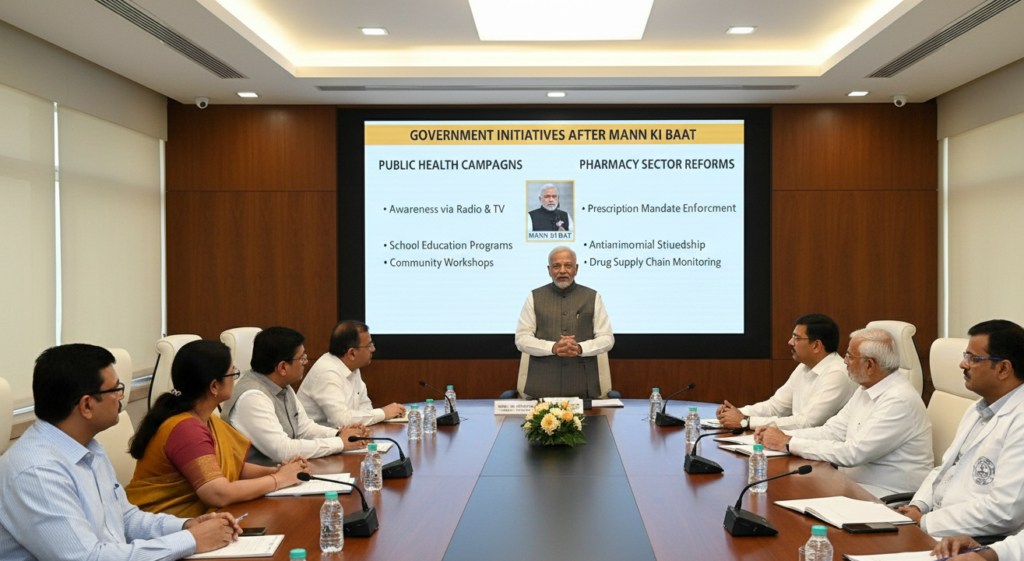
Government Initiatives After Mann Ki Baat
Post Mann Ki Baat, experts expect:
- Stronger Schedule H1 enforcement
- Nationwide awareness campaigns
- AMR surveillance expansion
All these steps will soon dominate pharmacy news update headlines.
Pharmacy News Update: What Pharmacists Should Do Now
Pharmacists should:
- Stay updated with ICMR guidelines
- Educate patients daily
- Maintain proper dispensing records
This is not optional anymore—it’s professional survival.
Latest News on Pharmacy Regulations
With antibiotic resistance in focus, regulators may:
- Tighten OTC sales
- Increase penalties for violations
- Mandate AMR training
These anticipated changes make latest news on pharmacy regulations crucial reading.
Future of Antibiotic Use in India
The future is cautious, data-driven, and collaborative. Antibiotics will be treated like precious resources—not everyday painkillers.
This shift will redefine latest news about pharmacy for years to come.
Why Patients Must Also Change
Let’s be honest—no system works if patients don’t cooperate. Patients must:
- Stop demanding antibiotics
- Complete prescribed courses
- Trust professional advice
Without this, no amount of policy can win the AMR battle.
Pharmacy News Today: A Turning Point
This Mann Ki Baat episode may well be remembered as a turning point in pharmacy news today. It connected policy, practice, and public behavior in one powerful narrative.
Conclusion
Modi ji’s mention of ICMR’s antibiotic resistance findings on Mann Ki Baat is more than a headline—it’s a national alert. For pharmacists, this moment reshapes responsibility, ethics, and daily practice. For patients, it’s a reminder that shortcuts in healthcare come at a heavy cost.
As pharmacy news today in India continues to evolve, one thing is clear: antibiotics must be respected, protected, and preserved. The fight against resistance starts at the counter, the clinic, and the kitchen table—together.

FAQs
1. Why did Modi ji talk about antibiotic resistance on Mann Ki Baat?
To raise nationwide awareness and prevent misuse of antibiotics based on ICMR findings.
2. How does antibiotic resistance affect pharmacists?
It increases responsibility in dispensing, counseling, and ethical practice.
3. Is antibiotic resistance really a big problem in India?
Yes, India is among the countries with the highest antibiotic consumption and resistance rates.
4. What role does ICMR play in this issue?
ICMR monitors resistance patterns and guides national health policies.
5. What should patients do to help prevent resistance?
Avoid self-medication, follow prescriptions strictly, and complete antibiotic courses.