
Table of Contents
Introduction
If you’re curious about what is pharmacovigilance and how it can offer a stable, impactful career path, you’re in the right place. Pharmacovigilance (PV) is a rapidly expanding field with increasing demand for trained professionals. For graduates exploring pharmacovigilance jobs for freshers, this guide offers everything you need.
What Is Pharmacovigilance? (Pharmacovigilance Definition)
Here’s the simplest pharmacovigilance definition:
Pharmacovigilance is the science of monitoring, assessing, and preventing adverse effects or any drug-related problems.
Why Drug Safety Matters
Ensuring drug safety is essential to protect patients from harmful side effects. PV teams ensure that every medicine used worldwide remains as safe as possible.
Why Choose a Career in Pharmacovigilance?
Growing Job Opportunities
Pharmaceutical companies and CROs are hiring aggressively, making pharmacovigilance jobs for freshers more accessible than ever.
Meaningful Work
Every task you perform contributes to patient safety—making it a truly impactful career.
Core Responsibilities in Pharmacovigilance Jobs for Freshers
Case Processing
Reviewing and documenting adverse event reports submitted by healthcare professionals, patients, and clinical teams.
Adverse Event Reporting
Ensuring timely and accurate submissions to global regulatory authorities.
Literature Screening
Regular scanning of medical journals for new safety information.
Signal Detection
Analyzing trends in data to detect potential drug safety risks.
Skills Needed to Enter Pharmacovigilance
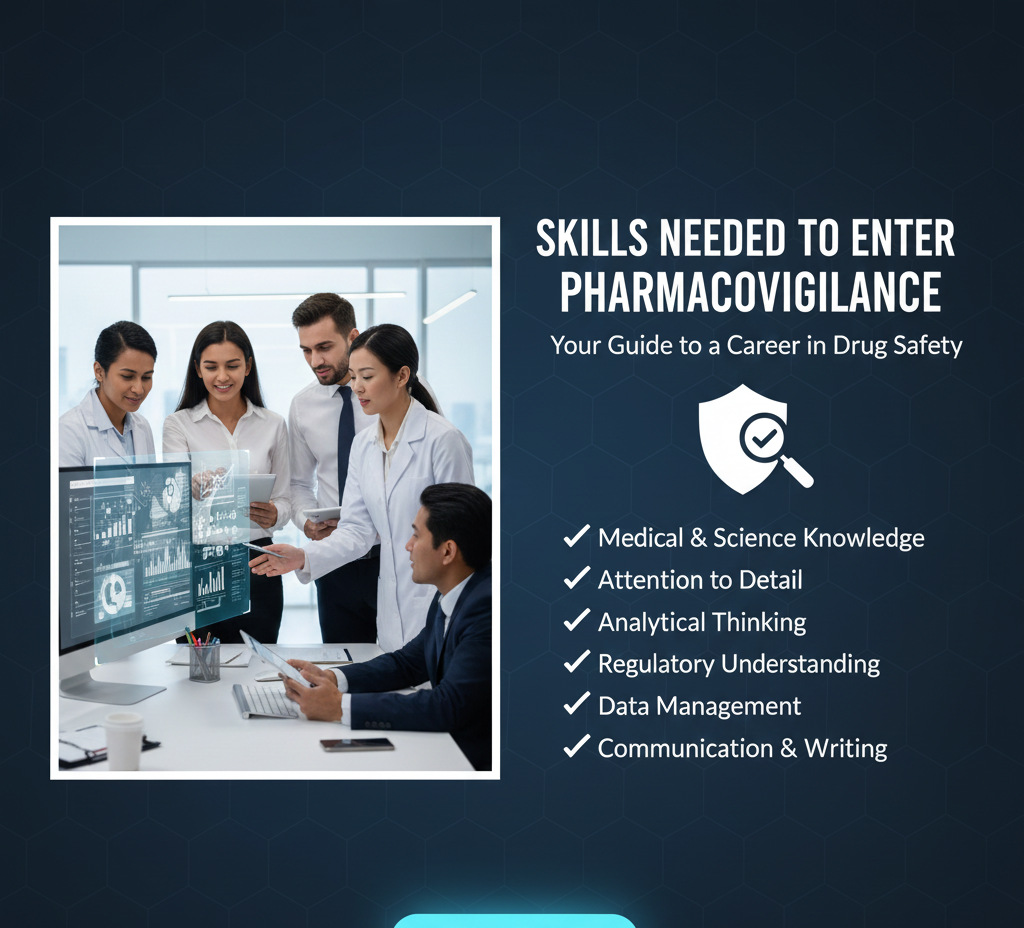
Technical Skills
- Medical terminology
- Clinical research basics
- Knowledge of ICH, GVP guidelines
Soft Skills
- Attention to detail
- Communication
- Problem-solving
- Time management
Educational Qualifications
Recommended Degrees
- B.Pharm / M.Pharm / Pharm.D
- Nursing
- Biotechnology
- Life sciences
Pharmacovigilance Courses & Certifications
To boost your chances of landing pharmacovigilance jobs for freshers, consider:
| # | Course / Provider | What It Offers / Why It’s Useful |
| 1 | ICRI India – PG Diploma in Clinical Research & Pharmacovigilance | Full diploma (≈ 10 months) covering clinical research + drug safety + PV regulations. Good for freshers seeking comprehensive training. |
| 2 | ICRI India – PG Diploma in Advance Clinical Research & Pharmacovigilance (Bangalore / other campuses) | Advanced syllabus including drug-safety, AE reporting, regulatory aspects and clinical trial management — helpful if you want a strong foundation. |
| 3 | IGMPI – Post Graduate Diploma / Executive Diploma in Pharmacovigilance & Pharmacoepidemiology | Focus on PV + pharmacoepidemiology, designed for those planning regulatory or post-marketing safety roles. |
| 4 | IBRI (Noida) – Certificate / Diploma Courses in Pharmacovigilance | Short- to mid-term certificate / diploma courses (3 → 12 months) covering ADR reporting, signal detection, medDRA coding, case processing, compliance. Good for quick upskilling. |
| 5 | Pharma Research – Advanced PG Diploma in Clinical Research & Pharmacovigilance (Online / Flexible) | Online or hybrid format; covers clinical trial protocols, ICH-GCP guidelines, drug safety reporting, signal detection — useful for working professionals or distant learners. |
| 6 | Coursera – “Drug Safety – Pharmacovigilance” (part of Drug Development & Pharmacoepidemiology Specialization) | Short, online, self-paced course giving global exposure to drug-safety principles, post-marketing surveillance, passive/active surveillance systems. Good for fundamentals and global context. |
| 7 | Udemy – “Certificate Course in Pharmacovigilance Practical ICSR” | Budget-friendly online course covering case processing, MedDRA coding, causality assessment, practical ICSR workflows — nice for beginners to get hands-on with PV basics. |
These pharmacovigilance courses help bridge skill gaps and prepare you for real-world responsibilities.

Pharmacovigilance Jobs for Freshers
Here are the most common roles:
| # | Company → Role | Location / Details | Notes |
| 1 | IQVIA – Safety Associate Trainee (Pharmacovigilance) | Kolkata & Kochi, India | Entry-level, freshers eligible (B.Pharm / Life-sciences etc.) |
| 2 | IQVIA – Safety / Drug-Safety / PV entry-level job posting list (freshers) | India (various) | “Pharmacovigilance Fresher Jobs and Vacancies” page on job-board |
| 3 | Parexel – Patient Safety Associate I (Pharmacovigilance, freshers) | Hyderabad, India | Full-time (1-year contract), freshers welcome, PV / drug-safety / case-processing role |
| 4 | Elanco – Analyst, PV Case Processing / R&D | Bangalore, India | Freshers / 0–1 yr experience eligible; PV case-processing role. |
| 5 | Clarivate – Associate Pharmacovigilance Specialist | Noida / Karnataka (India) | Life-sciences / bio-science degree required; posted Oct 2025 |
| 6 | PV Hiring Drive – Ahmedabad (unspecified employer / “freshers & experienced”) | Ahmedabad, Gujarat, India | Freshers (B.Sc/M.Sc/B.Pharm/M.Pharm) eligible. Multiple PV associate openings. |
| 7 | Lambda Therapeutics – Drug Safety Associate / PV Officer / Medical Reviewer (0–3 years) | Ahmedabad, Gujarat, India | Entry-level to early-career roles, work-from-office. |
| 8 | Pfizer – Associate Safety Data Management Specialist (Pharmacovigilance) | Chennai, India | Freshers (B.Pharm / M.Pharm / Pharm.D) eligible; global pharma firm. |
Roadmap for Pharmacovigilance Jobs for Freshers
1. Learn the Basics
Start with free WHO materials: https://www.who-umc.org
2. Build a Strong Resume
Add:
- Pharmacovigilance courses
- Internships
- Technical skills
3. Prepare for Pharmacovigilance Interview Questions
Common pharmacovigilance interview questions include:
- What is pharmacovigilance?
- Explain SAE and AE.
- What is case processing?
- What are MedDRA and WHO-DD?
- What are GVP guidelines?
4. Apply Strategically
Use platforms like LinkedIn, Indeed, and company career portals.
Salary Expectations for Freshers
By Region
- India: ₹3–5 LPA
- US: $45K–$60K
- UK: £22K–£30K
What Affects Salary?
- Certifications
- Company size
- Interview performance
Career Growth in Pharmacovigilance
Advanced Roles
- Senior DSA
- PV Scientist
- Quality Specialist
- Medical Reviewer
- PV Manager
Future Scope
AI adoption is making PV more efficient, increasing the need for skilled professionals.
Challenges Freshers Face
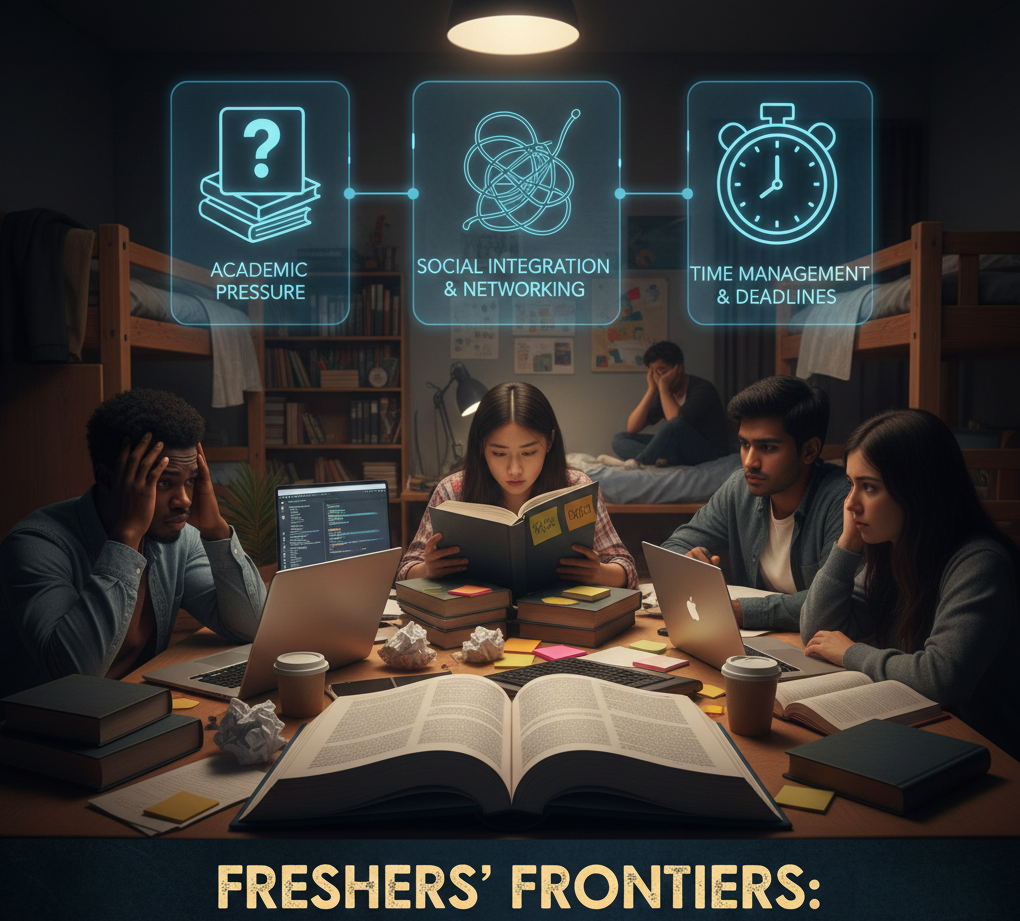
Competition
The field attracts many science graduates.
Skill Gaps
Hands-on training is limited in academics—but pharmacovigilance courses help.
Tips for Success
Keep Learning
Stay updated with changing regulations and training modules.
Gain Practical Knowledge
Attend seminars, webinars, workshops, and training sessions.
Conclusion
Pharmacovigilance is one of the best career options for freshers in pharmacy, biotech, and life sciences. With strong demand, clear growth pathways, and meaningful work focused on patient safety, PV offers unmatched career stability. Whether you’re exploring pharmacovigilance courses, preparing for pharmacovigilance interview questions, or seeking pharmacovigilance jobs for freshers, this guide gives you everything needed to get started confidently.
✅ Top 10 Pharmacovigilance Interview Questions & Sample Answers
1. What is Pharmacovigilance?
Sample Answer:
Pharmacovigilance is the science and process of monitoring the safety of medicines after they reach the market. It focuses on identifying, assessing, understanding, and preventing adverse drug reactions and other drug-related problems. Its goal is to ensure that the benefits of a medicine always outweigh its risks.
2. What is the difference between an Adverse Event (AE) and an Adverse Drug Reaction (ADR)?
Sample Answer:
An Adverse Event is any unwanted medical occurrence after taking a drug, regardless of whether the drug caused it or not.
An Adverse Drug Reaction is an adverse event known or suspected to be caused by the drug.
So, all ADRs are AEs, but not all AEs are ADRs.
3. What are the four elements of a valid ICSR?
Sample Answer:
A valid case requires four minimum criteria:
- An identifiable patient
- An identifiable reporter
- A suspect drug
- A suspected adverse event
If any one of these is missing, the case is not reportable.
4. What is a Serious Adverse Event (SAE)?
Sample Answer:
A serious adverse event is one that results in any of the following:
- Death
- Life-threatening condition
- Hospitalization or prolonged hospitalization
- Disability or permanent damage
- Congenital anomaly
- Any medically significant event
These events must be reported quickly because they can indicate major safety risks.
5. What is causality assessment in PV?
Sample Answer:
Causality assessment determines whether a drug is likely responsible for the adverse event.
It looks at factors like:
- Time relationship between drug intake and event
- Dechallenge and rechallenge
- Known pharmacological effects
- Alternative explanations
Causality helps determine if an AE should be considered an ADR.
6. What is MedDRA and why is it used?
Sample Answer:
MedDRA (Medical Dictionary for Regulatory Activities) is a standardized medical terminology used globally.
It ensures consistent coding of adverse events, making drug-safety data easier to analyze, share, and report to regulatory authorities.
7. Can you explain the steps in case processing?
Sample Answer:
Case processing generally includes:
- Case intake (receiving the AE report)
- Validity check
- Data entry into the safety database
- MedDRA coding
- Narrative writing
- Quality check
- Regulatory reporting within timelines
Each step ensures accuracy and compliance.
8. What is the difference between Spontaneous and Solicited reports?
Sample Answer:
- Spontaneous reports: Unsolicited reports from healthcare professionals, patients, or consumers.
- Solicited reports: Collected through organized programs like clinical trials, registries, or patient-support programs.
Spontaneous reports are crucial for signal detection, while solicited reports are part of structured data collection.
9. Why do you want a career in Pharmacovigilance?
Sample Answer:
I want to work in pharmacovigilance because it plays a major role in protecting patient safety. It allows me to use scientific knowledge to make real-world impact. I also enjoy analytical work, documentation, and learning new regulations, which aligns perfectly with PV responsibilities.
10. What are your strengths that make you a good fit for PV?
Sample Answer:
My strengths include attention to detail, strong communication skills, and the ability to analyze information clearly. I am comfortable with documentation and timelines, and I am eager to learn safety databases and guidelines. These skills help ensure accurate case processing and compliance.
2 thoughts on “2026 Ultimate Pharmacovigilance Jobs for Freshers-Career Guide”